Specified regulatory authority income receives conditional tax exemption, subject to non-commercial activity, unchanged income character, and return f...
Tax exemption for regulatory authority income applies retrospectively, subject to non-commercial activity, unchanged income sources, and return-filing...
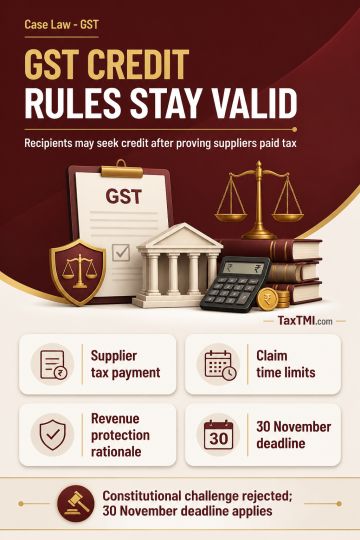
Input tax credit conditions remain constitutionally valid, with eligible recipient claims considered under GST circulars and retrospective filing dead...
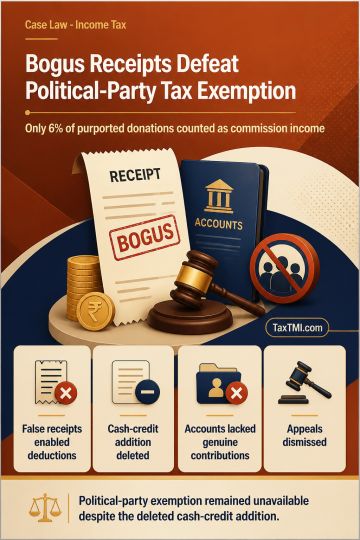
Bogus donation receipts justified commission income assessment and defeated political-party tax exemption for inaccurate accounts and reporting failur...
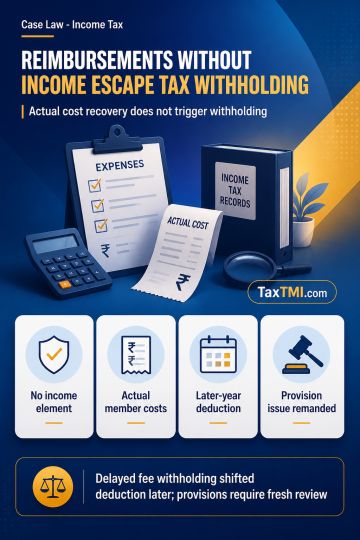
Pure reimbursement without income element escapes tax withholding, while delayed withholding and unsupported provisions face deferred or renewed scrut...
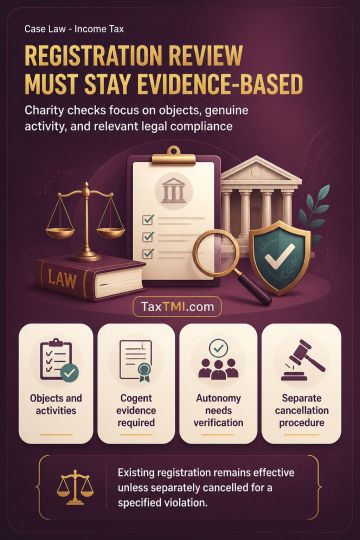
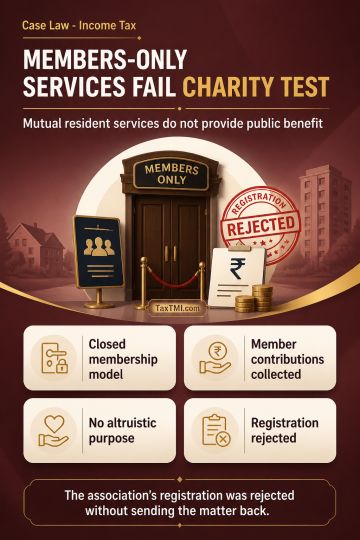
Public benefit requirement defeats charitable registration where residents' association services are reciprocal, member-only facilities governed by mu...
Rectification under section 254(2) is confined to a patent, obvious error apparent from the record and cannot be used to reargue debatable issues, reassess evidence, or reopen the merits of an earlier time-bar dismissal. The High Court held that complaints about the Tribunal's failure to summon further material, its treatment of the driver's affidavit on delay condonation, and alleged non-consideration of precedent involved adjudicatory choice rather than self-evident error, so no rectifiable mistake was shown. In the section 260A appeal, interference was unavailable absent perversity or a substantial question of law. The appeals were dismissed.
Rectification under section 254(2) is confined to a patent, obvious error apparent from the record and cannot be used to reargue debatable issues, reassess evidence, or reopen the merits of an earlier time-bar dismissal. The High Court held that complaints about the Tribunal's failure to summon further material, its treatment of the driver's affidavit on delay condonation, and alleged non-consideration of precedent involved adjudicatory choice rather than self-evident error, so no rectifiable mistake was shown. In the section 260A appeal, interference was unavailable absent perversity or a substantial question of law. The appeals were dismissed.
Note: It is a system-generated summary and is for quick reference only.
 TaxTMI
  TaxTMI
 of 4807






 Join Channel