Opportunity to respond to jurisdictional reports is mandatory before customs settlement duty enhancement; connected applications require consistent ad...
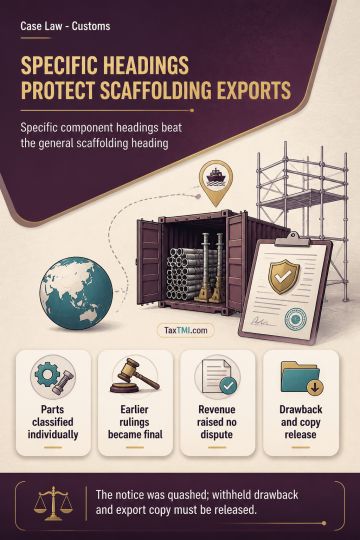
Specific customs headings for scaffolding components prevail over general classification, invalidating misclassification proceedings and enabling with...
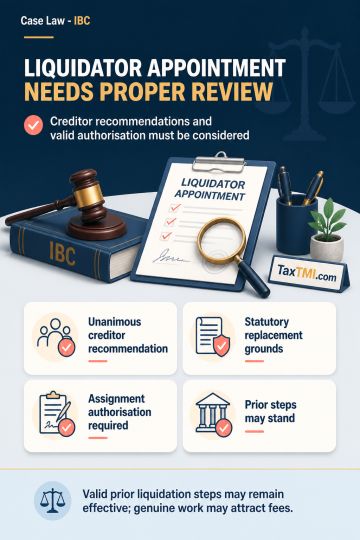
Liquidator appointment under Section 34 requires consideration of creditor recommendations, valid professional authorisation, and preservation of vali...
Page of 4807
Press 'Enter' after typing page number.
741 to 760 of 96140 Results
❮
❯
❯❯
0 / 200
Expand Note
Add to Folder
No Folders have been created
+
Are you sure you want to delete "My most important" ?
Rectification under section 254(2) is confined to a patent, obvious error apparent from the record and cannot be used to reargue debatable issues, reassess evidence, or reopen the merits of an earlier time-bar dismissal. The High Court held that complaints about the Tribunal's failure to summon further material, its treatment of the driver's affidavit on delay condonation, and alleged non-consideration of precedent involved adjudicatory choice rather than self-evident error, so no rectifiable mistake was shown. In the section 260A appeal, interference was unavailable absent perversity or a substantial question of law. The appeals were dismissed.
Rectification under section 254(2) is confined to a patent, obvious error apparent from the record and cannot be used to reargue debatable issues, reassess evidence, or reopen the merits of an earlier time-bar dismissal. The High Court held that complaints about the Tribunal's failure to summon further material, its treatment of the driver's affidavit on delay condonation, and alleged non-consideration of precedent involved adjudicatory choice rather than self-evident error, so no rectifiable mistake was shown. In the section 260A appeal, interference was unavailable absent perversity or a substantial question of law. The appeals were dismissed.
Note: It is a system-generated summary and is for quick reference only.
 TaxTMI
  TaxTMI
 of 4807








 Join Channel