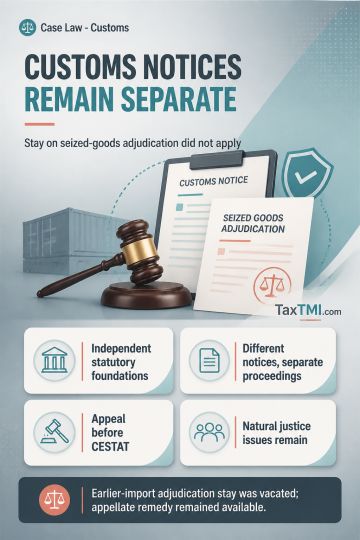
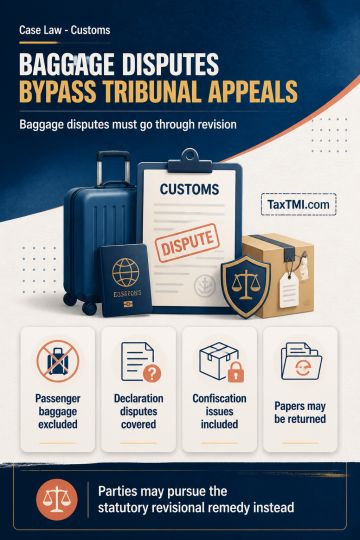
Independent show-cause notices remain separate proceedings, while customs adjudication challenges should ordinarily follow the statutory appellate rem...
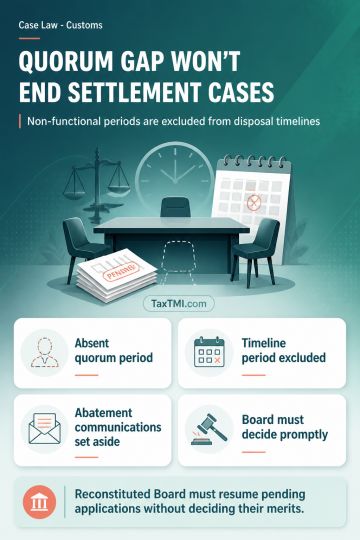
Institutional incapacity in customs settlement proceedings excludes non-functional quorum periods from statutory disposal timelines, preventing automa...
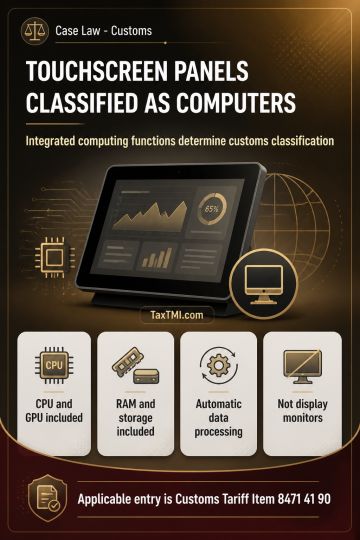
Interactive touchscreen panels with integrated computing functions fall under automatic data-processing machines rather than display monitors for cust...
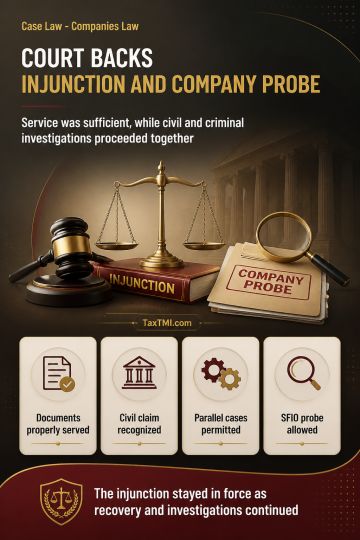
Ex parte injunction service requirements were substantially met, while civil recovery and SFIO investigation into provident fund defalcation continued...
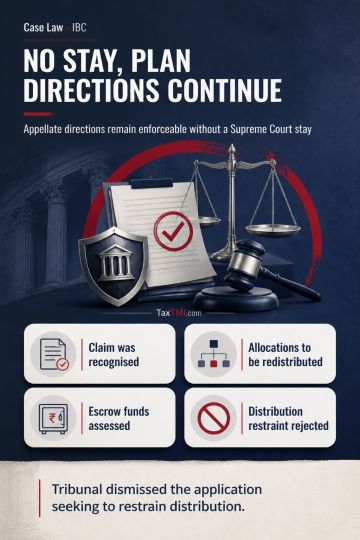
Enforcement of resolution-plan directions continues without a Supreme Court stay, preventing suspension of redistribution and escrowed-fund distributi...
Third-party ownership claims over attached property require Special Court adjudication where purchasers lack registered sale deeds and bona fides rema...
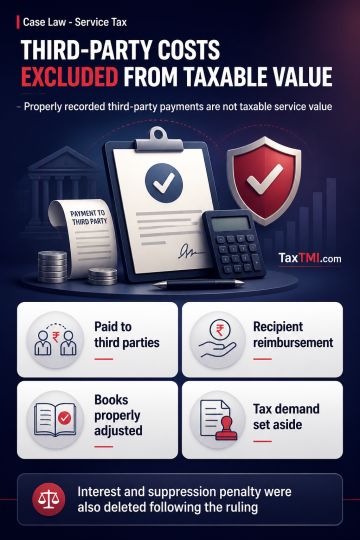
Pure-agent reimbursements in clearing and forwarding services are excluded from taxable value when qualifying third-party payments are properly record...
Page of 4809
Press 'Enter' after typing page number.
561 to 580 of 96177 Results
❮
❯
❯❯
0 / 200
Expand Note
Add to Folder
No Folders have been created
+
Are you sure you want to delete "My most important" ?
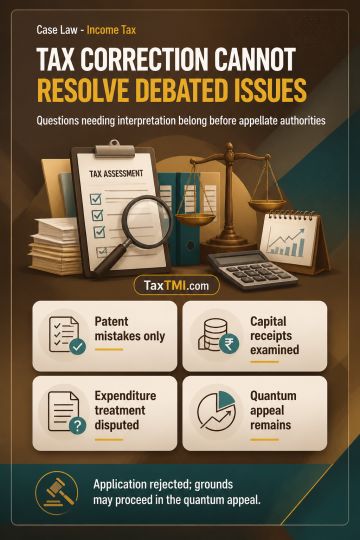
Rectification under section 254(2) is confined to a patent, obvious error apparent from the record and cannot be used to reargue debatable issues, reassess evidence, or reopen the merits of an earlier time-bar dismissal. The High Court held that complaints about the Tribunal's failure to summon further material, its treatment of the driver's affidavit on delay condonation, and alleged non-consideration of precedent involved adjudicatory choice rather than self-evident error, so no rectifiable mistake was shown. In the section 260A appeal, interference was unavailable absent perversity or a substantial question of law. The appeals were dismissed.
Rectification under section 254(2) is confined to a patent, obvious error apparent from the record and cannot be used to reargue debatable issues, reassess evidence, or reopen the merits of an earlier time-bar dismissal. The High Court held that complaints about the Tribunal's failure to summon further material, its treatment of the driver's affidavit on delay condonation, and alleged non-consideration of precedent involved adjudicatory choice rather than self-evident error, so no rectifiable mistake was shown. In the section 260A appeal, interference was unavailable absent perversity or a substantial question of law. The appeals were dismissed.
Note: It is a system-generated summary and is for quick reference only.
 TaxTMI
  TaxTMI
 of 4809






 Join Channel