Dispute Resolution Panel objections must reach both prescribed forums; otherwise assessment may proceed and statutory appeal remains the proper remedy...
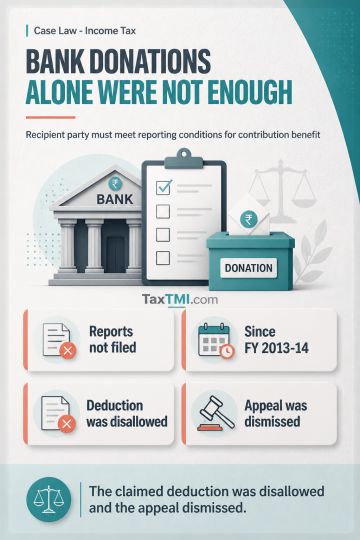
Political contribution deductions require recipient party compliance with contribution-reporting conditions; banking-channel donations alone do not qu...
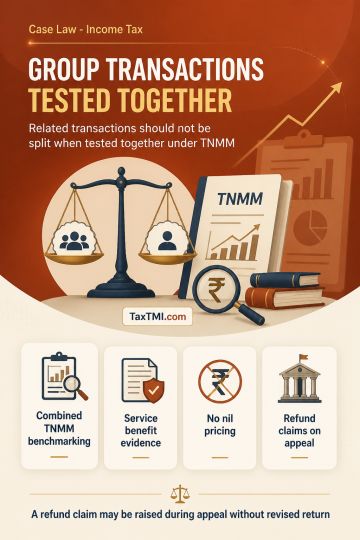
Aggregation under TNMM prevents selective testing of intra-group services without comparable uncontrolled transactions, while appellate additional cla...
Protective assessment cannot duplicate identical receipts under competing characterisations; remote services did not establish a taxable permanent est...
Current account treatment of overseas tournament services removed most FEMA findings, but excess EEFC remittance and delayed repatriation remained bre...
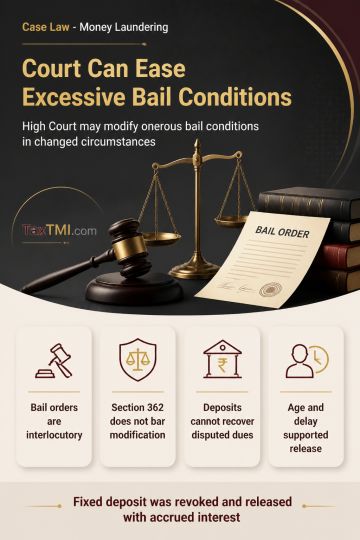
Modification of bail conditions remains available through inherent jurisdiction where onerous deposits undermine justice and cannot recover disputed d...
The ITAT upheld deletion of transfer pricing adjustments on captive power supplied to eligible manufacturing units for section 80-IA purposes, applying the Supreme Court principle that the relevant market value is the rate charged by the State Electricity Board or distribution company to industrial consumers, not the regulated or contracted surplus-power rate. It accepted the annual landed cost paid by the manufacturing units as the proper benchmark and rejected the Revenue's challenge. The Tribunal also sustained allocation of common head office expenses on the fixed-asset ratio, holding that the Revenue had followed the same method in earlier years and no change in facts or law justified a profitability-based allocation. All four Revenue appeals were dismissed.
The ITAT upheld deletion of transfer pricing adjustments on captive power supplied to eligible manufacturing units for section 80-IA purposes, applying the Supreme Court principle that the relevant market value is the rate charged by the State Electricity Board or distribution company to industrial consumers, not the regulated or contracted surplus-power rate. It accepted the annual landed cost paid by the manufacturing units as the proper benchmark and rejected the Revenue's challenge. The Tribunal also sustained allocation of common head office expenses on the fixed-asset ratio, holding that the Revenue had followed the same method in earlier years and no change in facts or law justified a profitability-based allocation. All four Revenue appeals were dismissed.
Note: It is a system-generated summary and is for quick reference only.
 TaxTMI
  TaxTMI
 of 4807











 Join Channel


