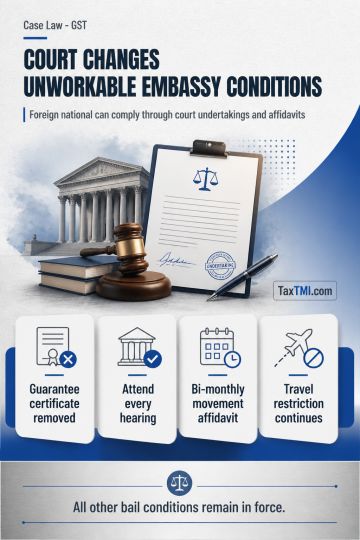
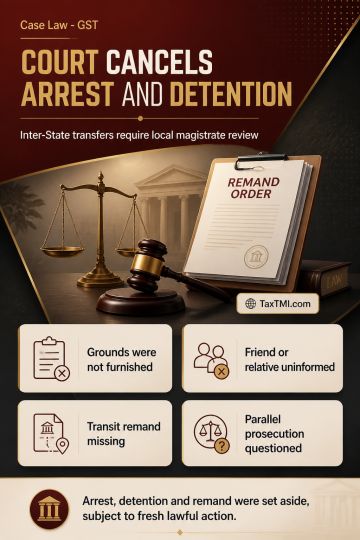
Arrest safeguards and transit remand requirements invalidated detention following inter-State transfer without communicated grounds or magistrate auth...
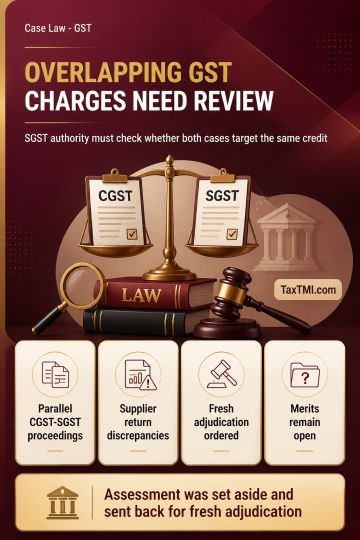
Arrest safeguards require disclosed grounds, relative intimation and transit remand, while duplicate prosecution under the CGST framework is unsustain...
Document Identification Number defects can invalidate GST assessments, with delayed challenges entertained conditionally where patent irregularities e...
Windmill commissioning evidence supported higher depreciation where grid connection and electricity generation proved operational use before the relev...
Reopening notices for years before AY 2021-22 could be issued after the 01.04.2021 amendment only if the pre-existing six-year limitation under section 149 was still alive on the date of notice. Applying the principle in UOI v. Rajiv Bansal and following Sridhar Lokesh, the Tribunal held that the first proviso bars retrospective use of the extended ten-year period; for AY 2015-16, the outer limit expired on 31.03.2022, so a notice issued on 01.04.2022 was time-barred. It further held that exclusion of time spent in section 148A proceedings could not revive a notice already barred under the first proviso. The reassessment was quashed and the additions were deleted.
Reopening notices for years before AY 2021-22 could be issued after the 01.04.2021 amendment only if the pre-existing six-year limitation under section 149 was still alive on the date of notice. Applying the principle in UOI v. Rajiv Bansal and following Sridhar Lokesh, the Tribunal held that the first proviso bars retrospective use of the extended ten-year period; for AY 2015-16, the outer limit expired on 31.03.2022, so a notice issued on 01.04.2022 was time-barred. It further held that exclusion of time spent in section 148A proceedings could not revive a notice already barred under the first proviso. The reassessment was quashed and the additions were deleted.
Note: It is a system-generated summary and is for quick reference only.
 TaxTMI
  TaxTMI
 of 4807













 Join Channel


