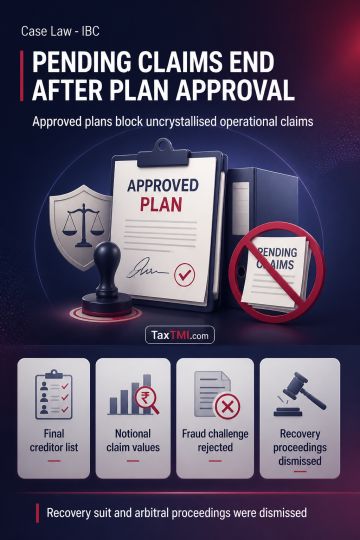
Clean slate principle extinguishes uncrystallised operational claims and bars continuation of pending recovery and arbitral proceedings after plan app...
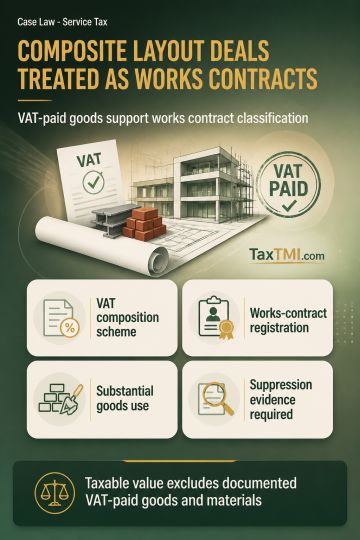
Works contract classification governs composite layout-development contracts where VAT-paid goods are transferred alongside construction and infrastru...
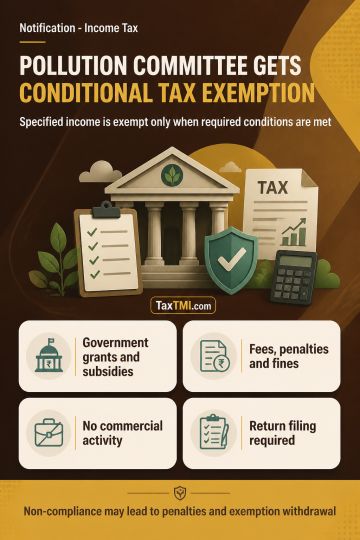
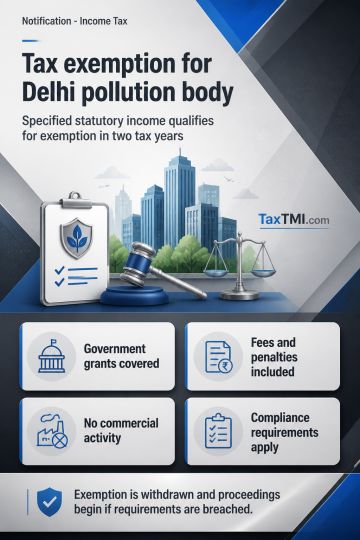
Specified income tax exemption for pollution control body remains conditional on non-commercial activity, unchanged income character, and return filin...
Penalty under section 112(b) requires proof that a person acquired possession of or dealt with goods liable to confiscation, together with knowledge or belief that the goods were so liable. The Tribunal held that this standard was not met where the appellants consistently maintained they had only supplied fabricated material and scrap to an SEZ unit, had no purchase transactions with it, and were manufacturers rather than traders. It also held that statements recorded under section 108 could not be relied on because the procedure under section 138B had not been followed. The penalties were therefore set aside.
Penalty under section 112(b) requires proof that a person acquired possession of or dealt with goods liable to confiscation, together with knowledge or belief that the goods were so liable. The Tribunal held that this standard was not met where the appellants consistently maintained they had only supplied fabricated material and scrap to an SEZ unit, had no purchase transactions with it, and were manufacturers rather than traders. It also held that statements recorded under section 108 could not be relied on because the procedure under section 138B had not been followed. The penalties were therefore set aside.
Note: It is a system-generated summary and is for quick reference only.
 TaxTMI
  TaxTMI
 of 4807







 Join Channel