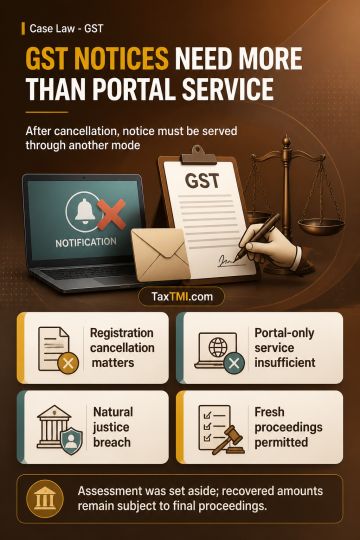
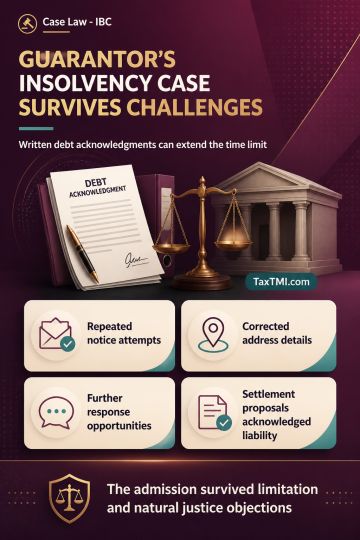
Service of notice and contractual debt acknowledgment preserved insolvency admission against a corporate guarantor despite limitation and natural just...
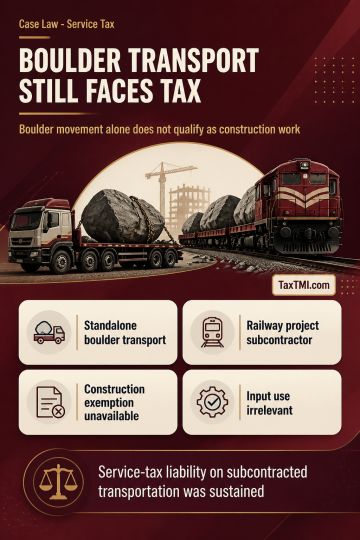
Original works exemption excludes standalone boulder transportation, leaving subcontracted railway-project transport services subject to service tax l...
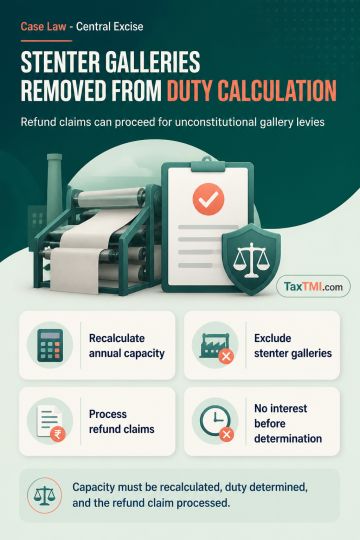
Annual production capacity determinations excluding stenter galleries support refunds for unconstitutional excise levies without an unjust-enrichment ...
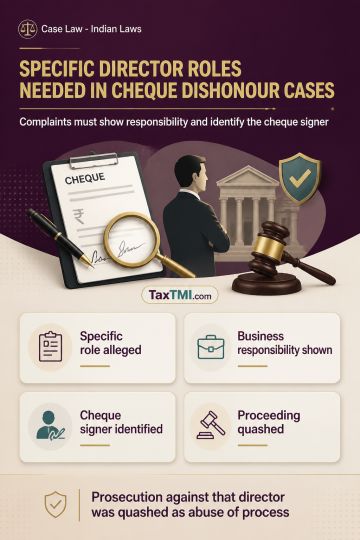
Vicarious liability for cheque dishonour requires specific allegations of responsibility and cheque signatory; generic director allegations cannot sus...
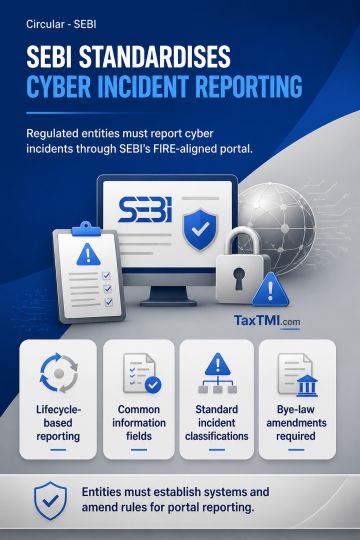
IT Resilience Index requires market infrastructure institutions to automate resilience scoring, early warnings, and continuous service-delivery monito...
Pre-existing disputes over performance, delay, quality and termination of work orders defeated admission under Section 9, because repeated correspondence before the demand notice showed a real controversy that could not be resolved in insolvency proceedings. The Tribunal held that the workmanlike completion obligation was missed, the defects were disputed, and the resulting liability involved contested facts unsuitable for summary determination. It further held that even if the contract had been frustrated or breached due to lack of permission, the remedy would be a claim for unliquidated damages triable by a civil court, not an operational debt enforceable in insolvency. The dismissal of the Section 9 application was therefore sustained.
Pre-existing disputes over performance, delay, quality and termination of work orders defeated admission under Section 9, because repeated correspondence before the demand notice showed a real controversy that could not be resolved in insolvency proceedings. The Tribunal held that the workmanlike completion obligation was missed, the defects were disputed, and the resulting liability involved contested facts unsuitable for summary determination. It further held that even if the contract had been frustrated or breached due to lack of permission, the remedy would be a claim for unliquidated damages triable by a civil court, not an operational debt enforceable in insolvency. The dismissal of the Section 9 application was therefore sustained.
Note: It is a system-generated summary and is for quick reference only.
 TaxTMI
  TaxTMI
 of 4817






 Join Channel