Commercial vehicle depreciation, scientifically determined warranty provisions and exempt-income disallowances were resolved in favour of the taxpayer...
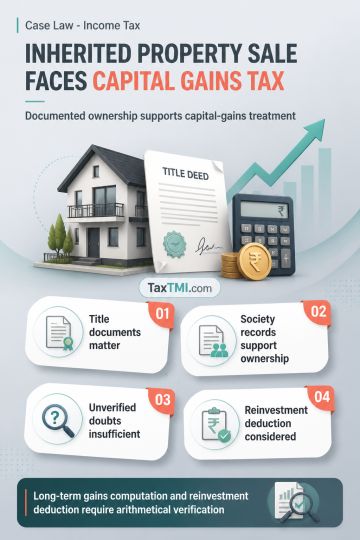
Inherited property sale proceeds require capital-gains treatment where ownership is supported by evidence, not suspicion or unverified signature doubt...
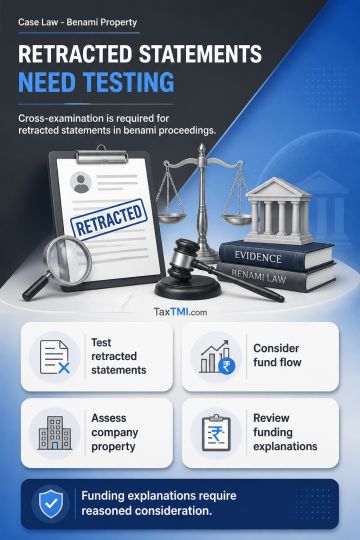
Cross-examination of retracted statements is essential where foundational evidence supports a benami allegation and documented funding explanations re...
Capital-goods exemption covers plant-modernisation accessories, while the import restriction applies only to earlier capital-goods components and spar...
Constitutional judicial review permits challenges to ECIRs and connected money-laundering proceedings where coercive action affects fundamental intere...
Pre-existing disputes over performance, delay, quality and termination of work orders defeated admission under Section 9, because repeated correspondence before the demand notice showed a real controversy that could not be resolved in insolvency proceedings. The Tribunal held that the workmanlike completion obligation was missed, the defects were disputed, and the resulting liability involved contested facts unsuitable for summary determination. It further held that even if the contract had been frustrated or breached due to lack of permission, the remedy would be a claim for unliquidated damages triable by a civil court, not an operational debt enforceable in insolvency. The dismissal of the Section 9 application was therefore sustained.
Pre-existing disputes over performance, delay, quality and termination of work orders defeated admission under Section 9, because repeated correspondence before the demand notice showed a real controversy that could not be resolved in insolvency proceedings. The Tribunal held that the workmanlike completion obligation was missed, the defects were disputed, and the resulting liability involved contested facts unsuitable for summary determination. It further held that even if the contract had been frustrated or breached due to lack of permission, the remedy would be a claim for unliquidated damages triable by a civil court, not an operational debt enforceable in insolvency. The dismissal of the Section 9 application was therefore sustained.
Note: It is a system-generated summary and is for quick reference only.
 TaxTMI
  TaxTMI
 of 4813









 Join Channel


