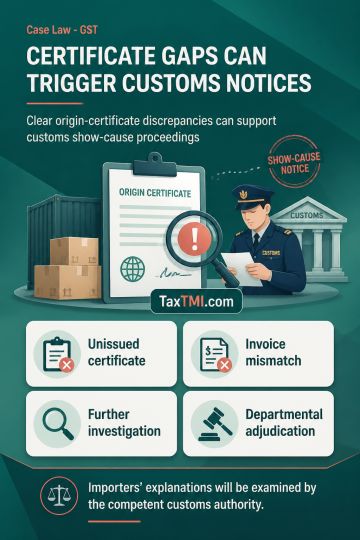
Jurisdictional facts in certificate-of-origin discrepancies can support customs show-cause proceedings, leaving factual explanations for departmental ...
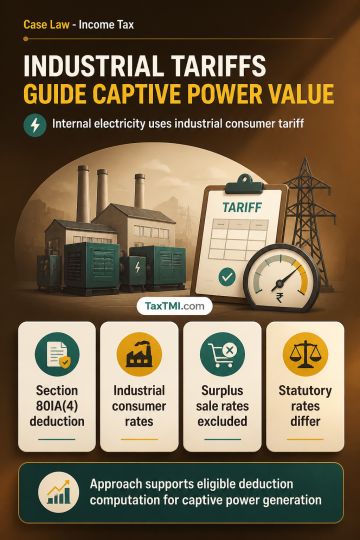
Market value for captive electricity consumption follows industrial consumer tariffs, supporting profit computation for the power generation deduction...
Non-annexure of invoices with a Section 8 demand notice did not invalidate a Section 9 insolvency claim where the operational debt arose from the contract itself and minimum royalty could be computed from the agreement terms. The Tribunal held that Rule 5 permits a demand notice in Form 3 without enclosing an invoice, so rejection of the application on that ground was erroneous. It further found no real pre-existing dispute, as the corporate debtor had acknowledged liability and the correspondence showed only reconciliation and quantification issues. Operational debt and default were therefore established, the appeal was allowed, and the debtor was given time to pay the admitted amount failing which insolvency admission could follow.
Non-annexure of invoices with a Section 8 demand notice did not invalidate a Section 9 insolvency claim where the operational debt arose from the contract itself and minimum royalty could be computed from the agreement terms. The Tribunal held that Rule 5 permits a demand notice in Form 3 without enclosing an invoice, so rejection of the application on that ground was erroneous. It further found no real pre-existing dispute, as the corporate debtor had acknowledged liability and the correspondence showed only reconciliation and quantification issues. Operational debt and default were therefore established, the appeal was allowed, and the debtor was given time to pay the admitted amount failing which insolvency admission could follow.
Note: It is a system-generated summary and is for quick reference only.
 TaxTMI
  TaxTMI
 of 4807








 Join Channel