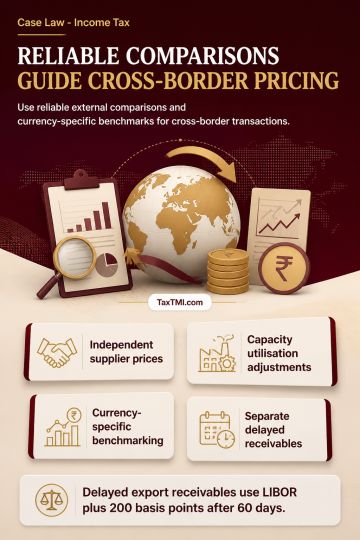
Transfer pricing comparability prioritises reliable external CUPs and foreign-currency LIBOR benchmarks for exports, borrowings and delayed receivable...
Section 153C satisfaction and seized electronic records sustained unexplained-investment addition, subject to proportionate ownership-share verificati...
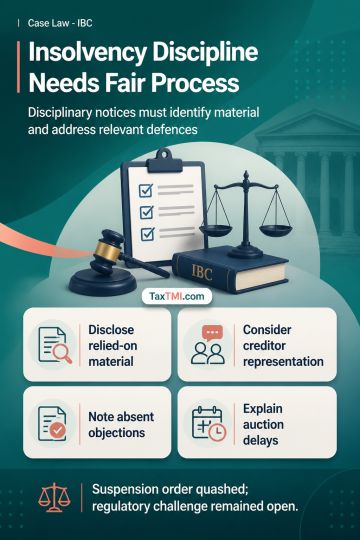
Natural justice in insolvency-professional discipline requires disclosed material; notices based on extraneous material and ignored defences are vitia...
Non-annexure of invoices with a Section 8 demand notice did not invalidate a Section 9 insolvency claim where the operational debt arose from the contract itself and minimum royalty could be computed from the agreement terms. The Tribunal held that Rule 5 permits a demand notice in Form 3 without enclosing an invoice, so rejection of the application on that ground was erroneous. It further found no real pre-existing dispute, as the corporate debtor had acknowledged liability and the correspondence showed only reconciliation and quantification issues. Operational debt and default were therefore established, the appeal was allowed, and the debtor was given time to pay the admitted amount failing which insolvency admission could follow.
Non-annexure of invoices with a Section 8 demand notice did not invalidate a Section 9 insolvency claim where the operational debt arose from the contract itself and minimum royalty could be computed from the agreement terms. The Tribunal held that Rule 5 permits a demand notice in Form 3 without enclosing an invoice, so rejection of the application on that ground was erroneous. It further found no real pre-existing dispute, as the corporate debtor had acknowledged liability and the correspondence showed only reconciliation and quantification issues. Operational debt and default were therefore established, the appeal was allowed, and the debtor was given time to pay the admitted amount failing which insolvency admission could follow.
Note: It is a system-generated summary and is for quick reference only.
 TaxTMI
  TaxTMI
 of 4817






 Join Channel