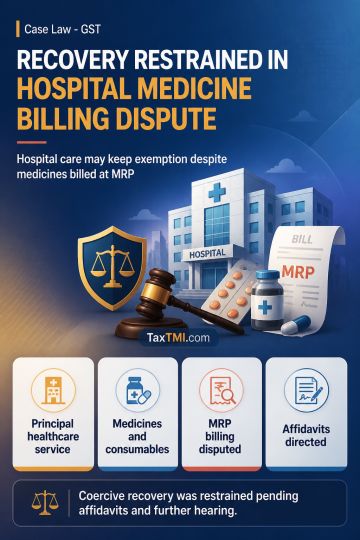
Composite inpatient healthcare supply may retain exemption despite MRP medicine billing, while separate taxable sale characterisation remains disputed...
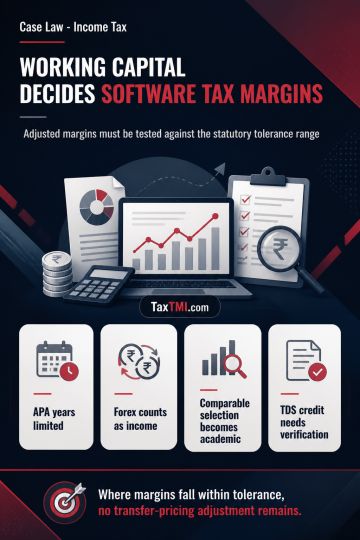
Working-capital adjustment determines whether software-services transfer-pricing margins fall within the statutory tolerance range, eliminating any ad...
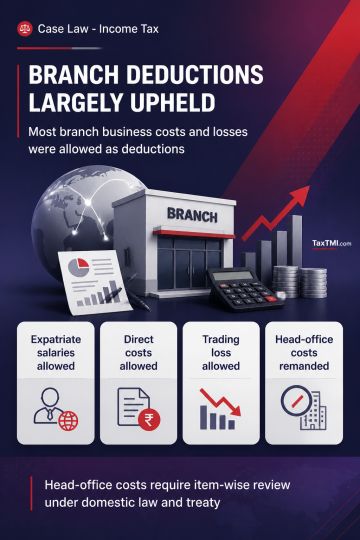
Permanent establishment deductions upheld for expatriate salaries, direct costs and trading losses, while head-office costs require fresh classificati...
Non-annexure of invoices with a Section 8 demand notice did not invalidate a Section 9 insolvency claim where the operational debt arose from the contract itself and minimum royalty could be computed from the agreement terms. The Tribunal held that Rule 5 permits a demand notice in Form 3 without enclosing an invoice, so rejection of the application on that ground was erroneous. It further found no real pre-existing dispute, as the corporate debtor had acknowledged liability and the correspondence showed only reconciliation and quantification issues. Operational debt and default were therefore established, the appeal was allowed, and the debtor was given time to pay the admitted amount failing which insolvency admission could follow.
Non-annexure of invoices with a Section 8 demand notice did not invalidate a Section 9 insolvency claim where the operational debt arose from the contract itself and minimum royalty could be computed from the agreement terms. The Tribunal held that Rule 5 permits a demand notice in Form 3 without enclosing an invoice, so rejection of the application on that ground was erroneous. It further found no real pre-existing dispute, as the corporate debtor had acknowledged liability and the correspondence showed only reconciliation and quantification issues. Operational debt and default were therefore established, the appeal was allowed, and the debtor was given time to pay the admitted amount failing which insolvency admission could follow.
Note: It is a system-generated summary and is for quick reference only.
 TaxTMI
  TaxTMI
 of 4809





 Join Channel


