Mutual fund maturity rules require proper rollover, redemption, disclosure, and due diligence; investor gains cannot excuse regulatory breaches or pen...
Threshold exemption excludes exempt services, while stamp-paper purchases avoid reverse charge; consequential service tax penalties were also set asid...
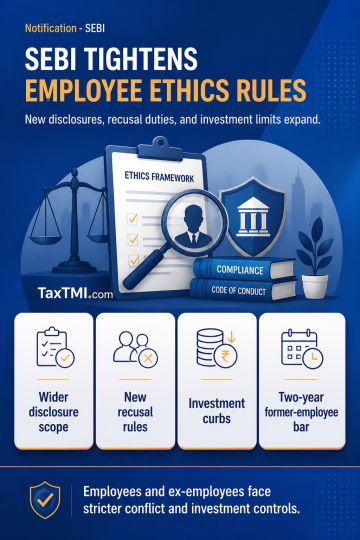
Employee conflict disclosures and investment restrictions expand with new recusal duties, post-employment limits, and compliance reporting requirement...
Section 129 is described as a complete code for detention and release of goods in transit, requiring release on payment of the prescribed penalty where the owner or another person comes forward, without treating detention as a continuing lien pending final adjudication of the demand. On the facts discussed, objections regarding ownership, quantity, quality and supporting documents were not backed by contrary material sufficient to displace the petitioner's claim of ownership at that stage. The consignment was therefore directed to be released on compliance with Section 129(1)(a), while the revenue was left free to recover any finally sustained demand in accordance with law.
Section 129 is described as a complete code for detention and release of goods in transit, requiring release on payment of the prescribed penalty where the owner or another person comes forward, without treating detention as a continuing lien pending final adjudication of the demand. On the facts discussed, objections regarding ownership, quantity, quality and supporting documents were not backed by contrary material sufficient to displace the petitioner's claim of ownership at that stage. The consignment was therefore directed to be released on compliance with Section 129(1)(a), while the revenue was left free to recover any finally sustained demand in accordance with law.
Note: It is a system-generated summary and is for quick reference only.
 TaxTMI
 of 4805















 Join Channel


 TaxTMI