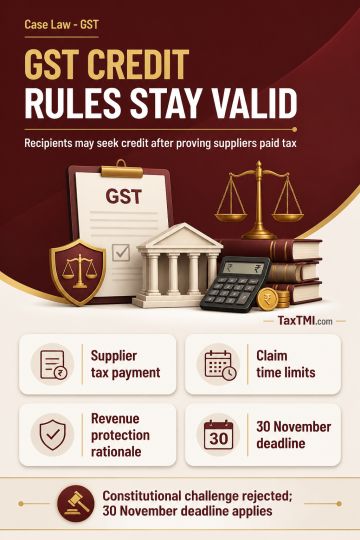
Input tax credit conditions remain constitutionally valid, with eligible recipient claims considered under GST circulars and retrospective filing dead...
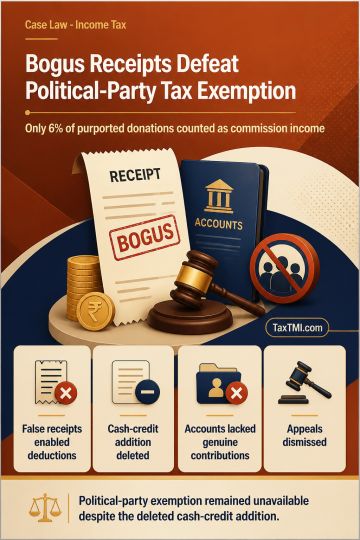
Bogus donation receipts justified commission income assessment and defeated political-party tax exemption for inaccurate accounts and reporting failur...
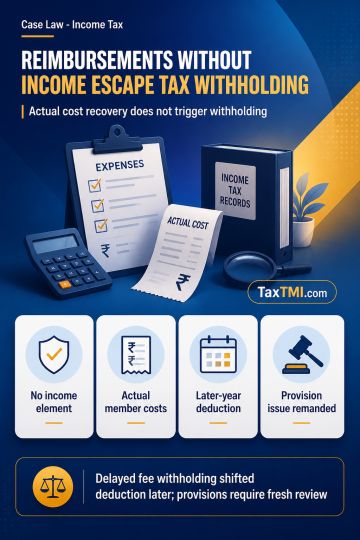
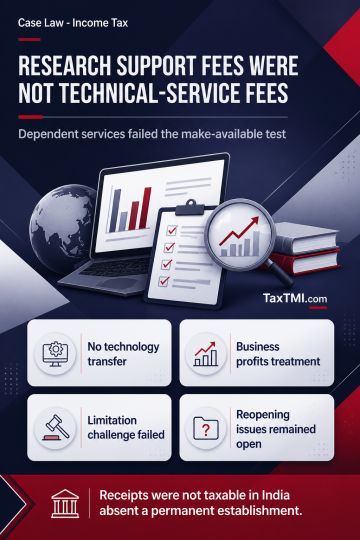
Pure reimbursement without income element escapes tax withholding, while delayed withholding and unsupported provisions face deferred or renewed scrut...
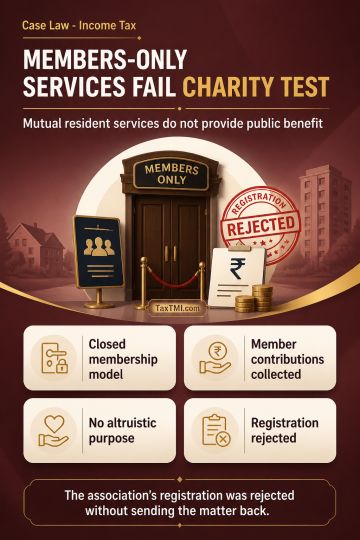
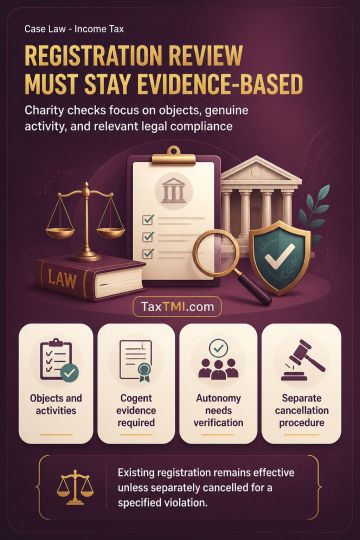
Public benefit requirement defeats charitable registration where residents' association services are reciprocal, member-only facilities governed by mu...
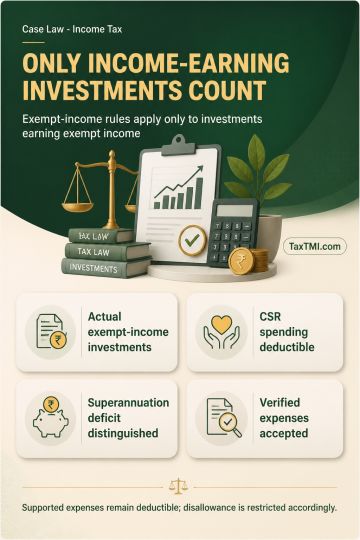
Exempt-income expenditure disallowance is confined to investments that actually generated exempt income, while supported business expenses remain dedu...
A statutory religious body was treated as a body corporate engaged in business for GST purposes, and auctioning or tendering exclusive rights was characterised as a licensing arrangement and therefore a supply of services. GST was held payable on rights to collect offering-remnants and abandoned clothes, to perform rituals, and to operate toilets and washrooms, because the applicant was not itself supplying those services but granting commercial rights for consideration. Exemption was recognised for rights to harvest coconuts from temple lands as a service linked to agricultural operations, and for pooja item stalls as renting of precincts of a religious place, subject to notification conditions. Reverse charge did not apply to honorarium or sitting fees paid to the President and Members, but applied to legal services from advocates.
A statutory religious body was treated as a body corporate engaged in business for GST purposes, and auctioning or tendering exclusive rights was characterised as a licensing arrangement and therefore a supply of services. GST was held payable on rights to collect offering-remnants and abandoned clothes, to perform rituals, and to operate toilets and washrooms, because the applicant was not itself supplying those services but granting commercial rights for consideration. Exemption was recognised for rights to harvest coconuts from temple lands as a service linked to agricultural operations, and for pooja item stalls as renting of precincts of a religious place, subject to notification conditions. Reverse charge did not apply to honorarium or sitting fees paid to the President and Members, but applied to legal services from advocates.
Note: It is a system-generated summary and is for quick reference only.
 TaxTMI
  TaxTMI
 of 4809






 Join Channel


