Cross-examination rights and corroborated evidence limit customs penalties for misdeclaration in genuine import transactions involving documented clea...
Tariff classification of vehicle gear components follows the specific gearing entry, displacing motor-vehicle parts classification and related liabili...
Necessary-party requirements limit impleadment of independent entities, while deferred consideration does not create an appealable adverse determinati...
Food supplement classification requires common parlance and authoritative tests, preventing treatment as proprietary Ayurvedic medicines without suppo...
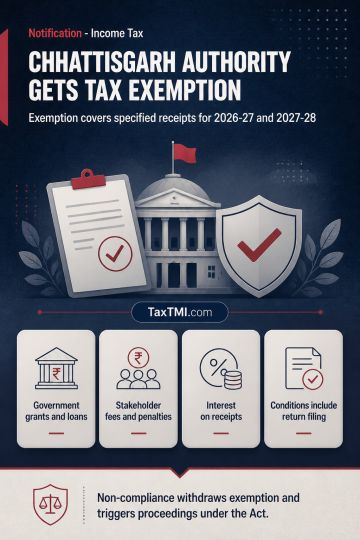
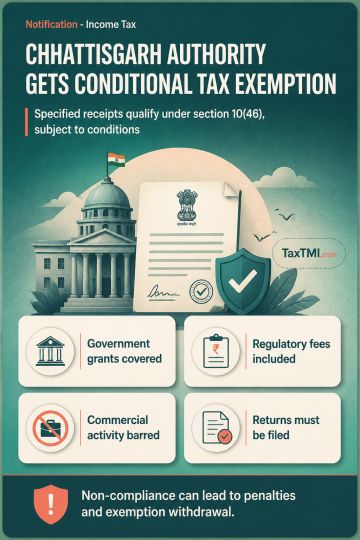
Specified regulatory authority income receives conditional tax exemption, subject to non-commercial activity, unchanged income character, and return f...
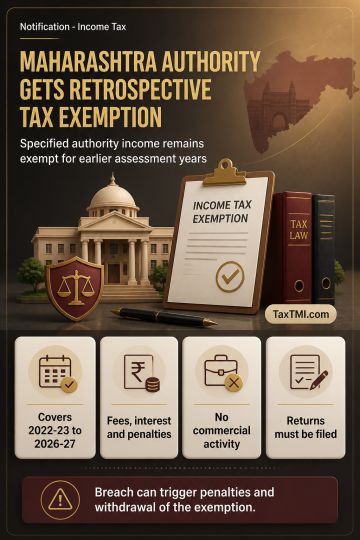
Tax exemption for regulatory authority income applies retrospectively, subject to non-commercial activity, unchanged income sources, and return-filing...
A statutory religious body was treated as a body corporate engaged in business for GST purposes, and auctioning or tendering exclusive rights was characterised as a licensing arrangement and therefore a supply of services. GST was held payable on rights to collect offering-remnants and abandoned clothes, to perform rituals, and to operate toilets and washrooms, because the applicant was not itself supplying those services but granting commercial rights for consideration. Exemption was recognised for rights to harvest coconuts from temple lands as a service linked to agricultural operations, and for pooja item stalls as renting of precincts of a religious place, subject to notification conditions. Reverse charge did not apply to honorarium or sitting fees paid to the President and Members, but applied to legal services from advocates.
A statutory religious body was treated as a body corporate engaged in business for GST purposes, and auctioning or tendering exclusive rights was characterised as a licensing arrangement and therefore a supply of services. GST was held payable on rights to collect offering-remnants and abandoned clothes, to perform rituals, and to operate toilets and washrooms, because the applicant was not itself supplying those services but granting commercial rights for consideration. Exemption was recognised for rights to harvest coconuts from temple lands as a service linked to agricultural operations, and for pooja item stalls as renting of precincts of a religious place, subject to notification conditions. Reverse charge did not apply to honorarium or sitting fees paid to the President and Members, but applied to legal services from advocates.
Note: It is a system-generated summary and is for quick reference only.
 TaxTMI
  TaxTMI
 of 4809



















 Join Channel