Transaction value rejection requires reliable corroboration; refundable VAT is excluded and temporary registration does not defeat new-vehicle exempti...
Appellate jurisdiction remains available where a wrist-worn gold ornament cannot conclusively be characterised as imported baggage at the preliminary ...
Written complaint requirement bars cognizance on police reports for securities offences, while unsupported breach of trust and cheating allegations fa...
Risk-based postal import clearance standardises electronic assessment, document requests, duty realisation and delivery controls at Foreign Post Offic...
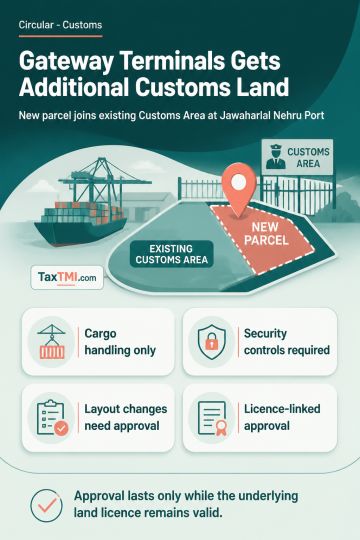
Customs Cargo Service Provider appointment extends custodianship to additional terminal land, subject to cargo-control, security and licence condition...
A statutory religious body was treated as a body corporate engaged in business for GST purposes, and auctioning or tendering exclusive rights was characterised as a licensing arrangement and therefore a supply of services. GST was held payable on rights to collect offering-remnants and abandoned clothes, to perform rituals, and to operate toilets and washrooms, because the applicant was not itself supplying those services but granting commercial rights for consideration. Exemption was recognised for rights to harvest coconuts from temple lands as a service linked to agricultural operations, and for pooja item stalls as renting of precincts of a religious place, subject to notification conditions. Reverse charge did not apply to honorarium or sitting fees paid to the President and Members, but applied to legal services from advocates.
A statutory religious body was treated as a body corporate engaged in business for GST purposes, and auctioning or tendering exclusive rights was characterised as a licensing arrangement and therefore a supply of services. GST was held payable on rights to collect offering-remnants and abandoned clothes, to perform rituals, and to operate toilets and washrooms, because the applicant was not itself supplying those services but granting commercial rights for consideration. Exemption was recognised for rights to harvest coconuts from temple lands as a service linked to agricultural operations, and for pooja item stalls as renting of precincts of a religious place, subject to notification conditions. Reverse charge did not apply to honorarium or sitting fees paid to the President and Members, but applied to legal services from advocates.
Note: It is a system-generated summary and is for quick reference only.
 TaxTMI
  TaxTMI
 of 4811










 Join Channel