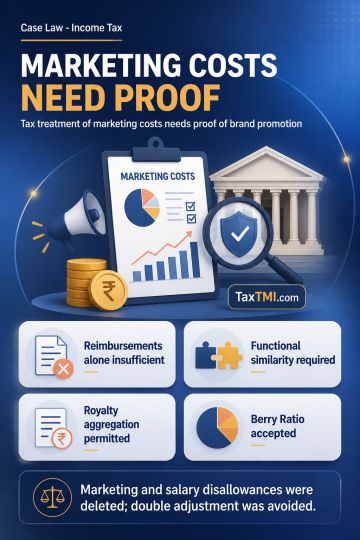
Transfer pricing requires evidence for AMP transactions, functionally reliable comparables, and appropriate aggregation or Berry Ratio benchmarking me...
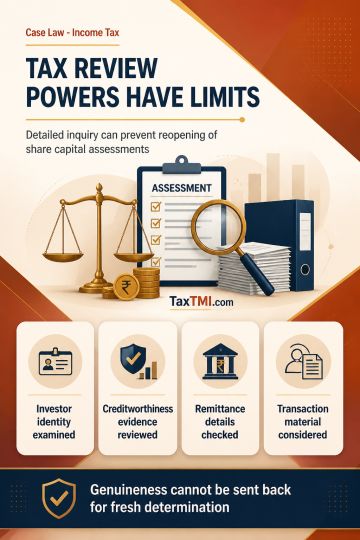
Revisionary jurisdiction cannot reopen share capital assessments where adequate inquiry supports a permissible view and no independent error is establ...
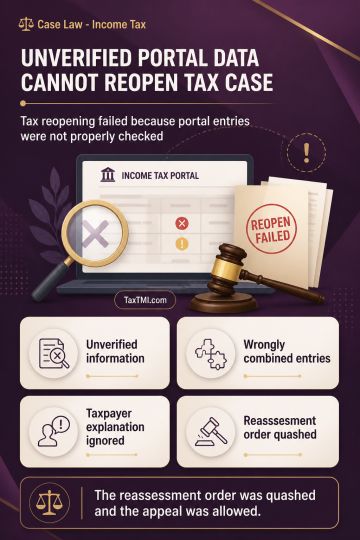
Reassessment jurisdiction fails where unverified portal information is aggregated without examining the taxpayer's explanation or relevance of entries...
Statutory sanction for delayed reassessment requires approval from the prescribed authority; approval by an inferior authority invalidates jurisdictio...
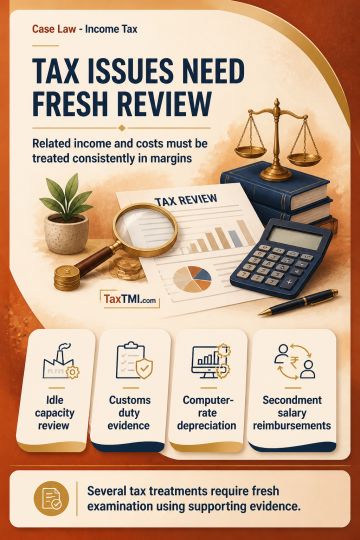
Transfer pricing margin adjustments require matching treatment of non-operating income and related costs, with comparability issues reconsidered on ev...
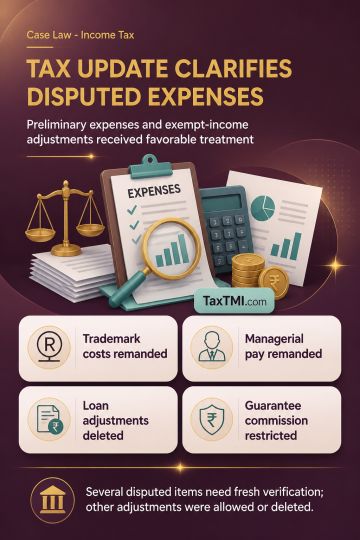
Preliminary-expense amortisation and MAT exempt-income adjustments prevailed, while trademark costs and managerial remuneration require fresh verifica...
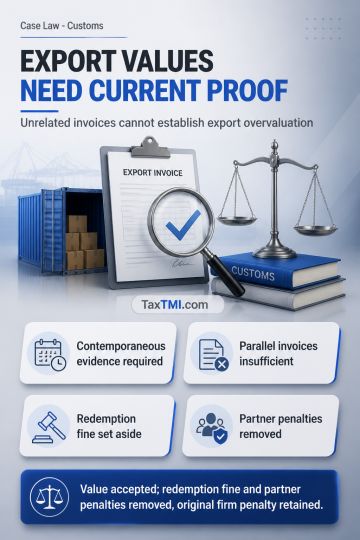
Export valuation requires contemporaneous evidence; unrelated invoices cannot prove overvaluation, and dual penalties on firm and partner are impermis...
A statutory religious body was treated as a body corporate engaged in business for GST purposes, and auctioning or tendering exclusive rights was characterised as a licensing arrangement and therefore a supply of services. GST was held payable on rights to collect offering-remnants and abandoned clothes, to perform rituals, and to operate toilets and washrooms, because the applicant was not itself supplying those services but granting commercial rights for consideration. Exemption was recognised for rights to harvest coconuts from temple lands as a service linked to agricultural operations, and for pooja item stalls as renting of precincts of a religious place, subject to notification conditions. Reverse charge did not apply to honorarium or sitting fees paid to the President and Members, but applied to legal services from advocates.
A statutory religious body was treated as a body corporate engaged in business for GST purposes, and auctioning or tendering exclusive rights was characterised as a licensing arrangement and therefore a supply of services. GST was held payable on rights to collect offering-remnants and abandoned clothes, to perform rituals, and to operate toilets and washrooms, because the applicant was not itself supplying those services but granting commercial rights for consideration. Exemption was recognised for rights to harvest coconuts from temple lands as a service linked to agricultural operations, and for pooja item stalls as renting of precincts of a religious place, subject to notification conditions. Reverse charge did not apply to honorarium or sitting fees paid to the President and Members, but applied to legal services from advocates.
Note: It is a system-generated summary and is for quick reference only.
 TaxTMI
  TaxTMI
 of 4813









 Join Channel


