Commercial vehicle depreciation, scientifically determined warranty provisions and exempt-income disallowances were resolved in favour of the taxpayer...
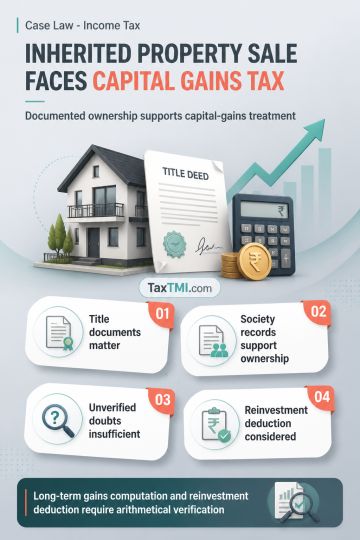
Inherited property sale proceeds require capital-gains treatment where ownership is supported by evidence, not suspicion or unverified signature doubt...
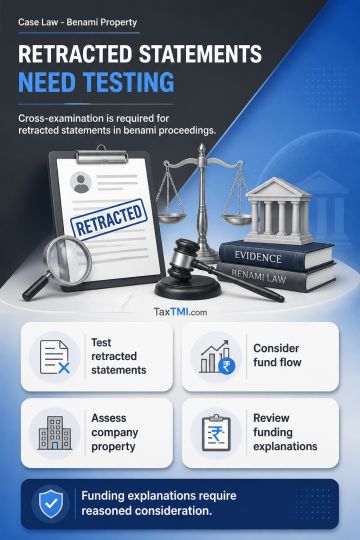
Cross-examination of retracted statements is essential where foundational evidence supports a benami allegation and documented funding explanations re...
Capital-goods exemption covers plant-modernisation accessories, while the import restriction applies only to earlier capital-goods components and spar...
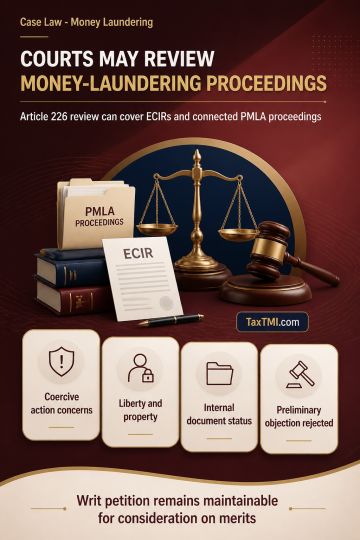
Constitutional judicial review permits challenges to ECIRs and connected money-laundering proceedings where coercive action affects fundamental intere...
A High Court held that the second proviso to Rule 30(9) of the Companies (Incorporation) Rules, 2014 imposes a strict bar on shifting a company's registered office where an appeal against the approved resolution plan is pending, and that Section 238 of the IBC does not override this restriction. The Court read the proviso as creating an independent threshold, found the Regional Director acted beyond jurisdiction in permitting the shift, and set aside the Regional Director's order as well as the Single Judge's order. It also held that the appellants could maintain the writ petition because they were heard in the proceedings, were aggrieved by the impugned order, and had no efficacious alternative remedy.
A High Court held that the second proviso to Rule 30(9) of the Companies (Incorporation) Rules, 2014 imposes a strict bar on shifting a company's registered office where an appeal against the approved resolution plan is pending, and that Section 238 of the IBC does not override this restriction. The Court read the proviso as creating an independent threshold, found the Regional Director acted beyond jurisdiction in permitting the shift, and set aside the Regional Director's order as well as the Single Judge's order. It also held that the appellants could maintain the writ petition because they were heard in the proceedings, were aggrieved by the impugned order, and had no efficacious alternative remedy.
Note: It is a system-generated summary and is for quick reference only.
 TaxTMI
  TaxTMI
 of 4813

















 Join Channel


