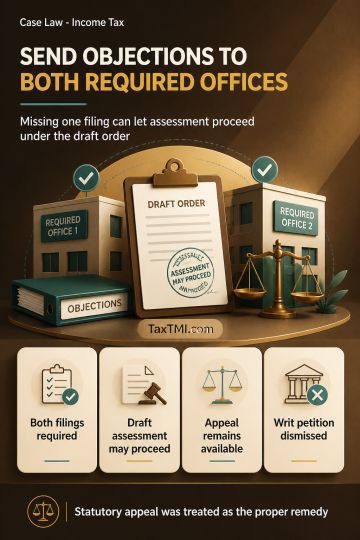
Dispute Resolution Panel objections must reach both prescribed forums; otherwise assessment may proceed and statutory appeal remains the proper remedy...
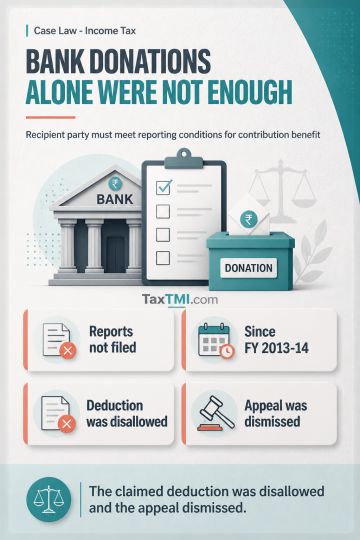
Political contribution deductions require recipient party compliance with contribution-reporting conditions; banking-channel donations alone do not qu...
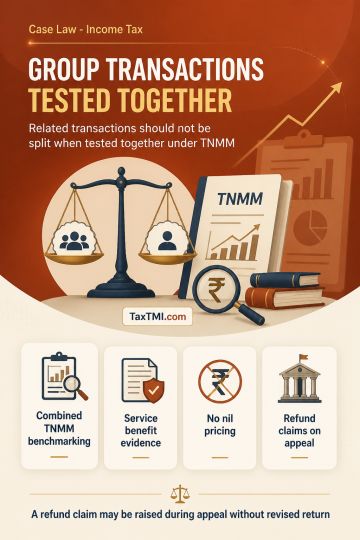
Aggregation under TNMM prevents selective testing of intra-group services without comparable uncontrolled transactions, while appellate additional cla...
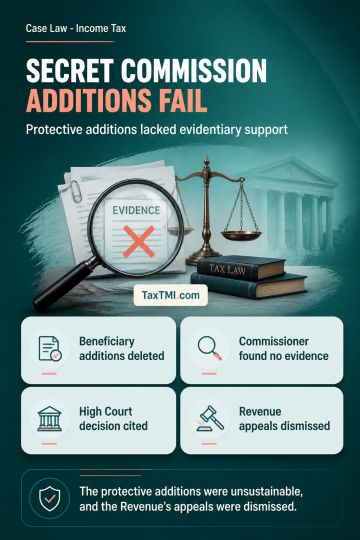
Protective assessment cannot duplicate identical receipts under competing characterisations; remote services did not establish a taxable permanent est...
The Supreme Court held that amounts repayable after a specified period, with promised quarterly interest, fell within the wide definition of "deposit" under Section 2(c) of the MPID Act. It further held that Section 2(d) uses expansive language and includes private persons receiving such deposits, so respondent Nos. 2 to 6 were financial establishments for MPID Act purposes. Prior failure of IPC-based proceedings and the civil character of the transaction did not bar recourse under Section 3, because the MPID Act provides an independent statutory remedy operating in a distinct field. The High Court's contrary view was set aside.
The Supreme Court held that amounts repayable after a specified period, with promised quarterly interest, fell within the wide definition of "deposit" under Section 2(c) of the MPID Act. It further held that Section 2(d) uses expansive language and includes private persons receiving such deposits, so respondent Nos. 2 to 6 were financial establishments for MPID Act purposes. Prior failure of IPC-based proceedings and the civil character of the transaction did not bar recourse under Section 3, because the MPID Act provides an independent statutory remedy operating in a distinct field. The High Court's contrary view was set aside.
Note: It is a system-generated summary and is for quick reference only.
 TaxTMI
  TaxTMI
 of 4811










 Join Channel