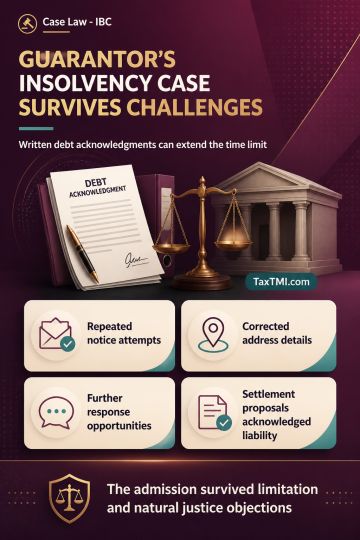
Service of notice and contractual debt acknowledgment preserved insolvency admission against a corporate guarantor despite limitation and natural just...
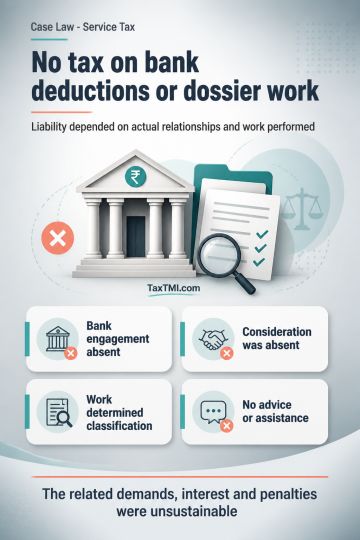
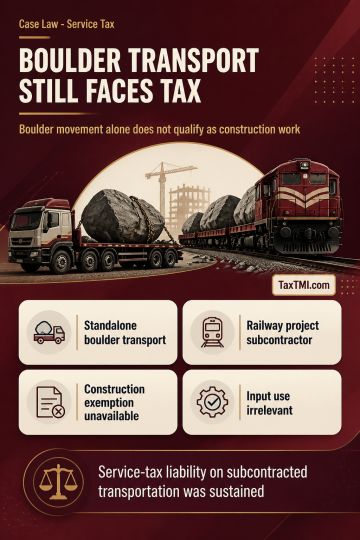
Original works exemption excludes standalone boulder transportation, leaving subcontracted railway-project transport services subject to service tax l...
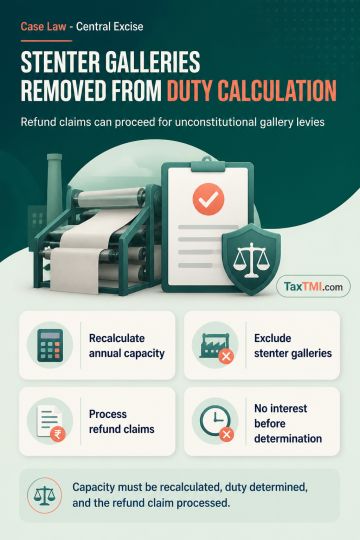
Annual production capacity determinations excluding stenter galleries support refunds for unconstitutional excise levies without an unjust-enrichment ...
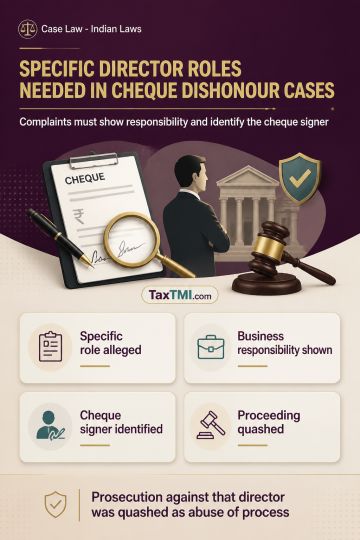
Vicarious liability for cheque dishonour requires specific allegations of responsibility and cheque signatory; generic director allegations cannot sus...
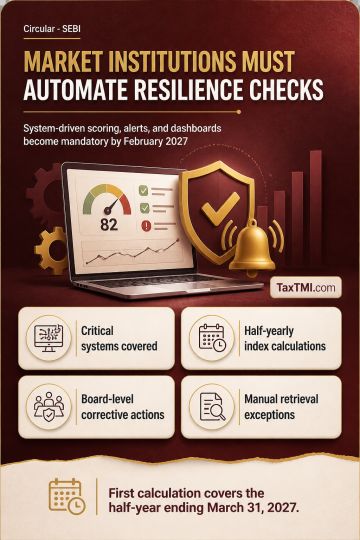
IT Resilience Index requires market infrastructure institutions to automate resilience scoring, early warnings, and continuous service-delivery monito...
Advance ruling jurisdiction under section 97 of the CGST Act does not extend to questions seeking guidance on the sufficiency of documentary evidence for proving that supplies to SEZ units or developers are for authorised operations. The applicant asked whether LOA or eligibility certificate evidence was enough for zero-rated treatment, or whether invoice endorsement by the Specified Officer was mandatory, but the Authority held these issues did not fall within any category listed in section 97(2), such as classification, notification applicability, time or value of supply, input tax credit, tax liability, registration, or whether an activity amounts to supply. It therefore declined to answer all three questions and left the merits of zero-rating and endorsement requirements unexamined.
Advance ruling jurisdiction under section 97 of the CGST Act does not extend to questions seeking guidance on the sufficiency of documentary evidence for proving that supplies to SEZ units or developers are for authorised operations. The applicant asked whether LOA or eligibility certificate evidence was enough for zero-rated treatment, or whether invoice endorsement by the Specified Officer was mandatory, but the Authority held these issues did not fall within any category listed in section 97(2), such as classification, notification applicability, time or value of supply, input tax credit, tax liability, registration, or whether an activity amounts to supply. It therefore declined to answer all three questions and left the merits of zero-rating and endorsement requirements unexamined.
Note: It is a system-generated summary and is for quick reference only.
 TaxTMI
  TaxTMI
 of 4817



 Join Channel