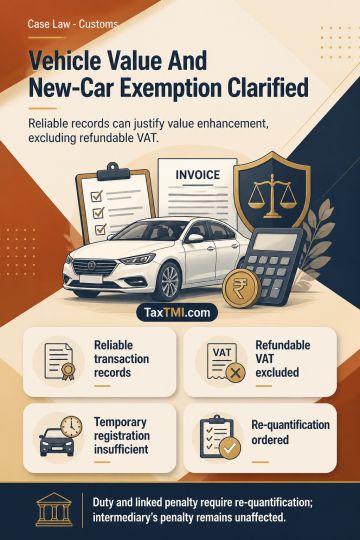
Transaction value rejection requires reliable corroboration; refundable VAT is excluded and temporary registration does not defeat new-vehicle exempti...
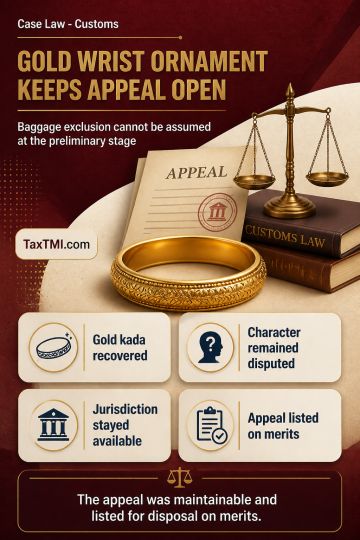
Appellate jurisdiction remains available where a wrist-worn gold ornament cannot conclusively be characterised as imported baggage at the preliminary ...
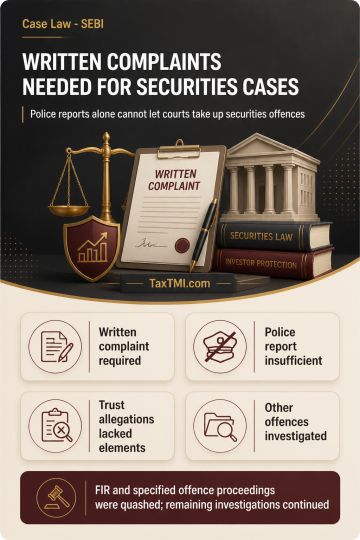
Written complaint requirement bars cognizance on police reports for securities offences, while unsupported breach of trust and cheating allegations fa...
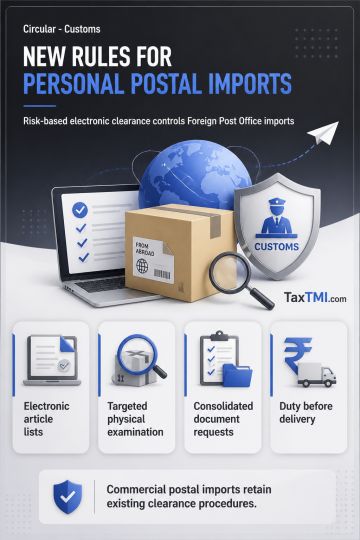
Risk-based postal import clearance standardises electronic assessment, document requests, duty realisation and delivery controls at Foreign Post Offic...
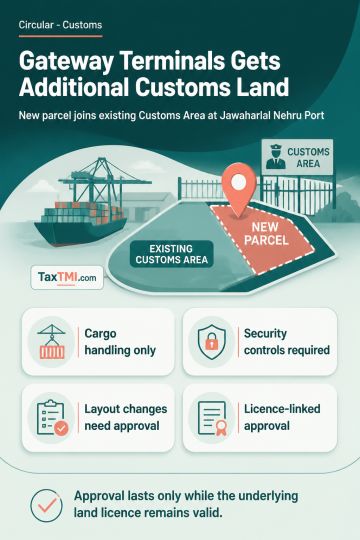
Customs Cargo Service Provider appointment extends custodianship to additional terminal land, subject to cargo-control, security and licence condition...
Advance ruling jurisdiction under section 97 of the CGST Act does not extend to questions seeking guidance on the sufficiency of documentary evidence for proving that supplies to SEZ units or developers are for authorised operations. The applicant asked whether LOA or eligibility certificate evidence was enough for zero-rated treatment, or whether invoice endorsement by the Specified Officer was mandatory, but the Authority held these issues did not fall within any category listed in section 97(2), such as classification, notification applicability, time or value of supply, input tax credit, tax liability, registration, or whether an activity amounts to supply. It therefore declined to answer all three questions and left the merits of zero-rating and endorsement requirements unexamined.
Advance ruling jurisdiction under section 97 of the CGST Act does not extend to questions seeking guidance on the sufficiency of documentary evidence for proving that supplies to SEZ units or developers are for authorised operations. The applicant asked whether LOA or eligibility certificate evidence was enough for zero-rated treatment, or whether invoice endorsement by the Specified Officer was mandatory, but the Authority held these issues did not fall within any category listed in section 97(2), such as classification, notification applicability, time or value of supply, input tax credit, tax liability, registration, or whether an activity amounts to supply. It therefore declined to answer all three questions and left the merits of zero-rating and endorsement requirements unexamined.
Note: It is a system-generated summary and is for quick reference only.
 TaxTMI
  TaxTMI
 of 4811




 Join Channel