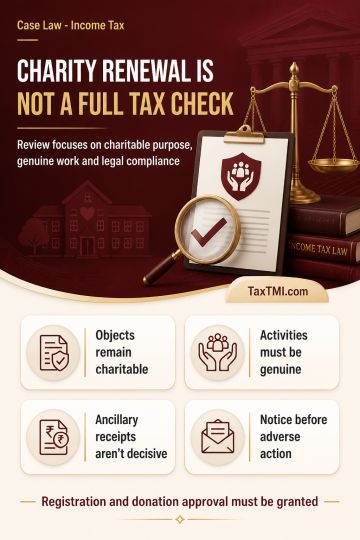
Charitable registration renewal cannot become an assessment of receipts, profitability or annual exemption compliance, requiring renewal and donation ...
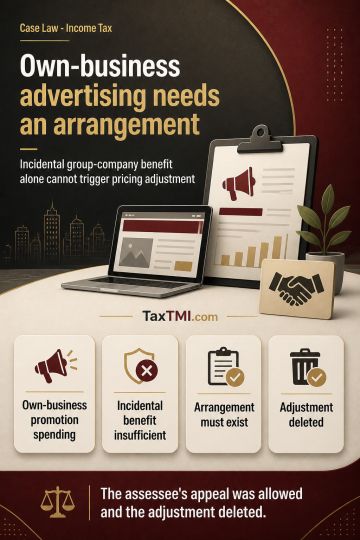
AMP expenditure for own business is not an international transaction without an associated-enterprise arrangement, eliminating transfer pricing adjust...
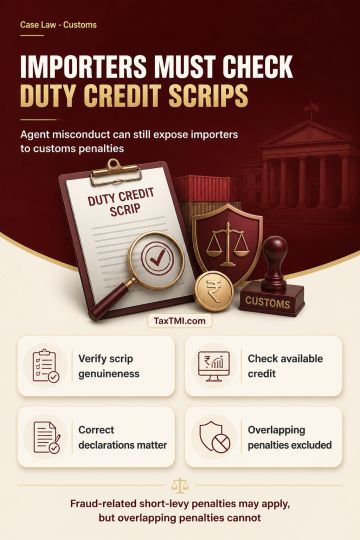
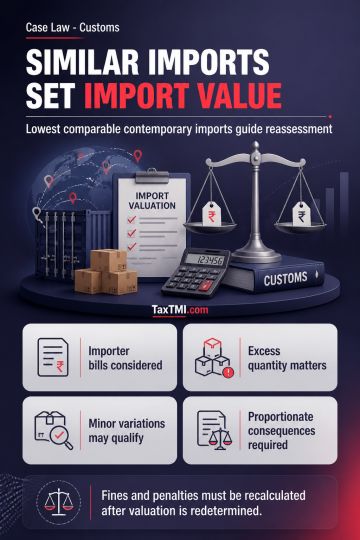
Customs valuation must use comparable contemporary imports, while confiscation fines and penalties require proportionate recalculation on reassessed v...
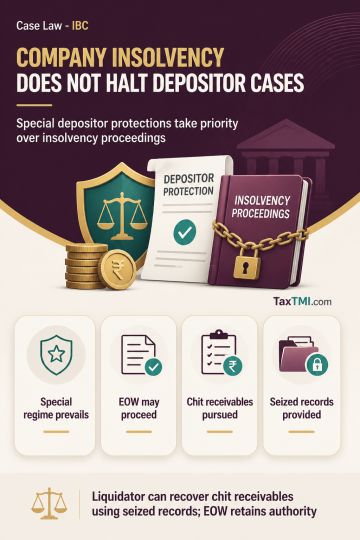
Depositor-protection proceedings prevail over corporate insolvency, while liquidators may recover chit receivables using copies of seized company reco...
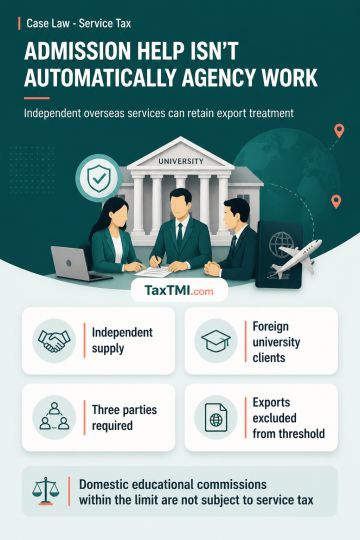
Intermediary service classification fails where overseas admission facilitation is supplied independently, preserving export treatment and small-provi...
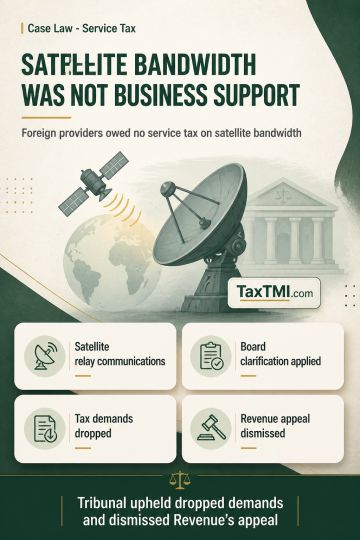
Satellite transponder bandwidth is telecommunication, not Business Support Service; foreign non-telegraph providers triggered no service tax liability...
Advance ruling jurisdiction under section 97 of the CGST Act does not extend to questions seeking guidance on the sufficiency of documentary evidence for proving that supplies to SEZ units or developers are for authorised operations. The applicant asked whether LOA or eligibility certificate evidence was enough for zero-rated treatment, or whether invoice endorsement by the Specified Officer was mandatory, but the Authority held these issues did not fall within any category listed in section 97(2), such as classification, notification applicability, time or value of supply, input tax credit, tax liability, registration, or whether an activity amounts to supply. It therefore declined to answer all three questions and left the merits of zero-rating and endorsement requirements unexamined.
Advance ruling jurisdiction under section 97 of the CGST Act does not extend to questions seeking guidance on the sufficiency of documentary evidence for proving that supplies to SEZ units or developers are for authorised operations. The applicant asked whether LOA or eligibility certificate evidence was enough for zero-rated treatment, or whether invoice endorsement by the Specified Officer was mandatory, but the Authority held these issues did not fall within any category listed in section 97(2), such as classification, notification applicability, time or value of supply, input tax credit, tax liability, registration, or whether an activity amounts to supply. It therefore declined to answer all three questions and left the merits of zero-rating and endorsement requirements unexamined.
Note: It is a system-generated summary and is for quick reference only.
 TaxTMI
  TaxTMI
 of 4816



 Join Channel


