Donor-directed corpus contributions retain capital character despite exemption claims under section 10(23C)(vi), preventing their treatment as taxable...
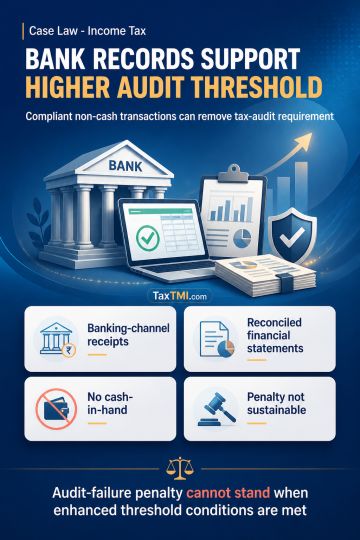
Enhanced tax-audit threshold applies where banking records establish compliant non-cash receipts and payments, eliminating penalty exposure for audit ...
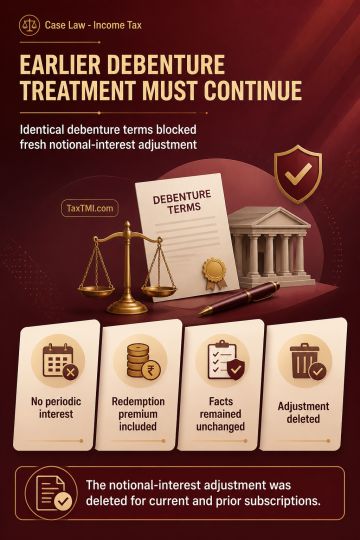
Transfer pricing consistency protects identical non-interest-bearing debenture terms from a later notional-interest adjustment without valid statutory...
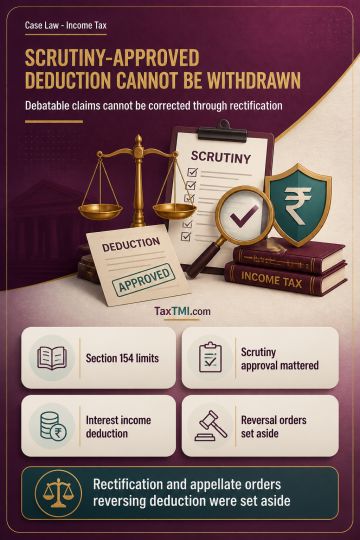
Rectification of debatable deduction claims cannot reverse scrutiny-approved co-operative society interest income deductions as apparent record errors...
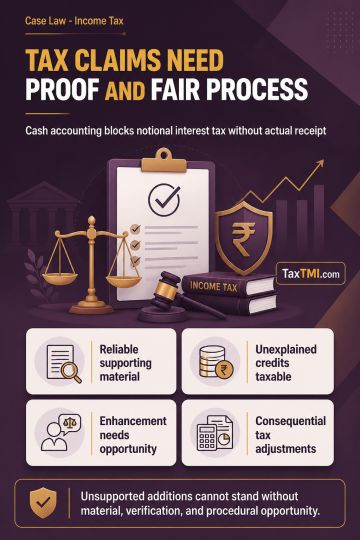
Cash-method accounting bars presumptive interest taxation, while unsupported securities and share-trading additions require reliable material and veri...
Advance ruling jurisdiction under section 97 of the CGST Act does not extend to questions seeking guidance on the sufficiency of documentary evidence for proving that supplies to SEZ units or developers are for authorised operations. The applicant asked whether LOA or eligibility certificate evidence was enough for zero-rated treatment, or whether invoice endorsement by the Specified Officer was mandatory, but the Authority held these issues did not fall within any category listed in section 97(2), such as classification, notification applicability, time or value of supply, input tax credit, tax liability, registration, or whether an activity amounts to supply. It therefore declined to answer all three questions and left the merits of zero-rating and endorsement requirements unexamined.
Advance ruling jurisdiction under section 97 of the CGST Act does not extend to questions seeking guidance on the sufficiency of documentary evidence for proving that supplies to SEZ units or developers are for authorised operations. The applicant asked whether LOA or eligibility certificate evidence was enough for zero-rated treatment, or whether invoice endorsement by the Specified Officer was mandatory, but the Authority held these issues did not fall within any category listed in section 97(2), such as classification, notification applicability, time or value of supply, input tax credit, tax liability, registration, or whether an activity amounts to supply. It therefore declined to answer all three questions and left the merits of zero-rating and endorsement requirements unexamined.
Note: It is a system-generated summary and is for quick reference only.
 TaxTMI
  TaxTMI
 of 4816






 Join Channel


