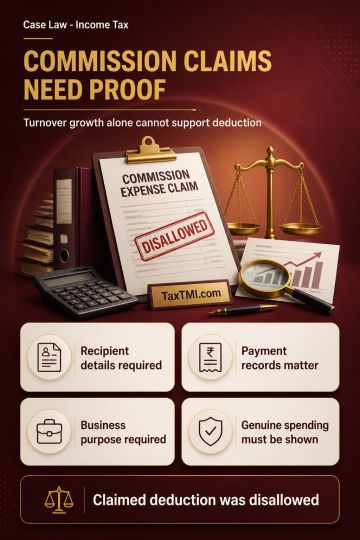
Business expenditure deduction requires proof of genuine commission payments and commercial allowability; turnover growth alone cannot validate the cl...
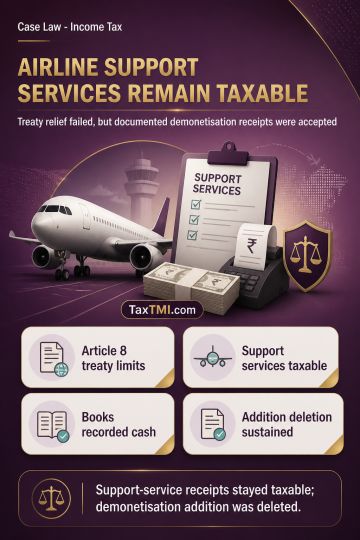
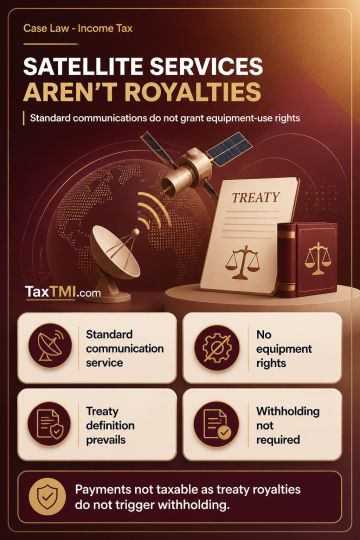
Article 8 treaty coverage excluded third-party airline support services, while documented demonetisation cash receipts remained accepted business inco...
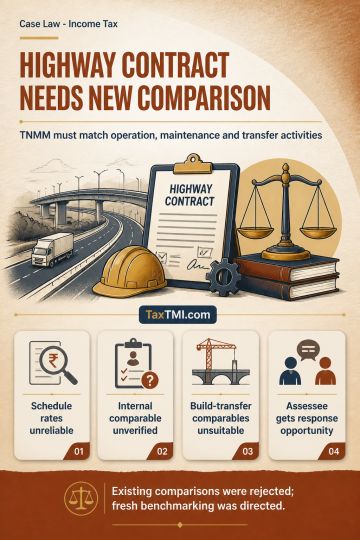
Functional comparability under TNMM requires highway contract benchmarks to reflect operation, maintenance and transfer activities, requiring fresh be...
Transfer of shares to a wholly owned subsidiary was a bona fide commercial reorganisation, not a colourable device, because the Revenue showed no sham, lack of commercial substance, or non-genuineness, and tax benefit alone could not invalidate the transaction. The Tribunal also held that the shares were capital assets and that section 47(iv) exemption applied since the assessee and subsidiary satisfied the statutory ownership conditions. The share valuation challenge failed because the Assessing Officer identified no specific defect in the recognised valuation method, assumptions, or projections. The addition was deleted.
Transfer of shares to a wholly owned subsidiary was a bona fide commercial reorganisation, not a colourable device, because the Revenue showed no sham, lack of commercial substance, or non-genuineness, and tax benefit alone could not invalidate the transaction. The Tribunal also held that the shares were capital assets and that section 47(iv) exemption applied since the assessee and subsidiary satisfied the statutory ownership conditions. The share valuation challenge failed because the Assessing Officer identified no specific defect in the recognised valuation method, assumptions, or projections. The addition was deleted.
Note: It is a system-generated summary and is for quick reference only.
 TaxTMI
  TaxTMI
 of 4811



 Join Channel


