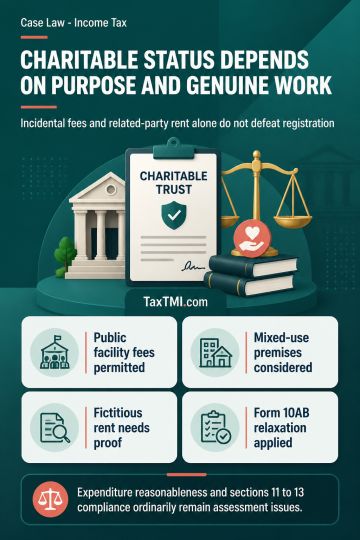
Charitable registration turns on predominant purpose and genuine activities, while incidental fees and related-party rent require supporting adverse m...
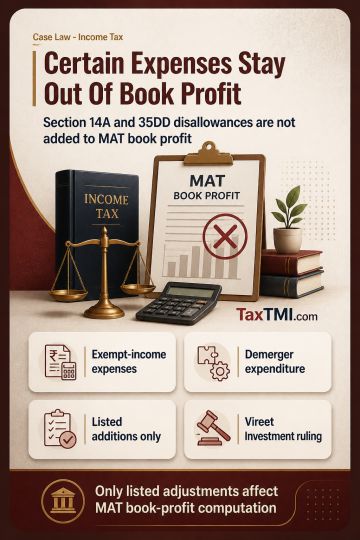
MAT book-profit adjustments exclude disallowances for exempt-income expenditure and demerger expenditure unless expressly listed under the statutory c...
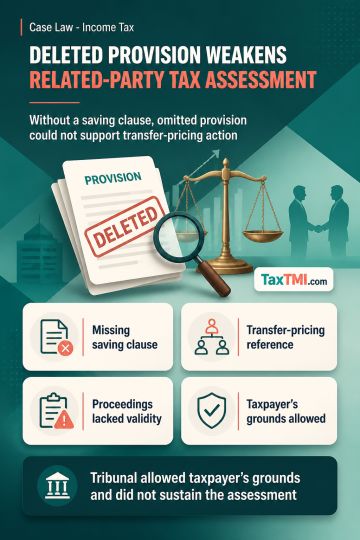
Omitted specified domestic transaction provision invalidates related-party expenditure transfer-pricing references and assessments based on consequent...
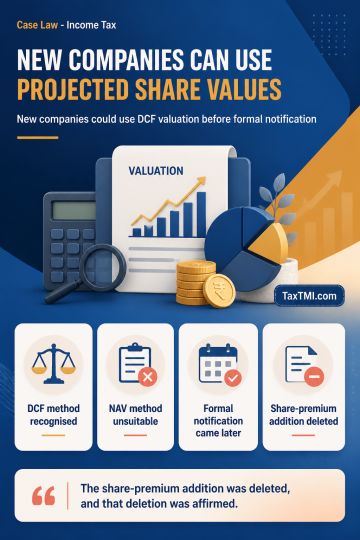
Transfer of shares to a wholly owned subsidiary was a bona fide commercial reorganisation, not a colourable device, because the Revenue showed no sham, lack of commercial substance, or non-genuineness, and tax benefit alone could not invalidate the transaction. The Tribunal also held that the shares were capital assets and that section 47(iv) exemption applied since the assessee and subsidiary satisfied the statutory ownership conditions. The share valuation challenge failed because the Assessing Officer identified no specific defect in the recognised valuation method, assumptions, or projections. The addition was deleted.
Transfer of shares to a wholly owned subsidiary was a bona fide commercial reorganisation, not a colourable device, because the Revenue showed no sham, lack of commercial substance, or non-genuineness, and tax benefit alone could not invalidate the transaction. The Tribunal also held that the shares were capital assets and that section 47(iv) exemption applied since the assessee and subsidiary satisfied the statutory ownership conditions. The share valuation challenge failed because the Assessing Officer identified no specific defect in the recognised valuation method, assumptions, or projections. The addition was deleted.
Note: It is a system-generated summary and is for quick reference only.
 TaxTMI
  TaxTMI
 of 4814



 Join Channel