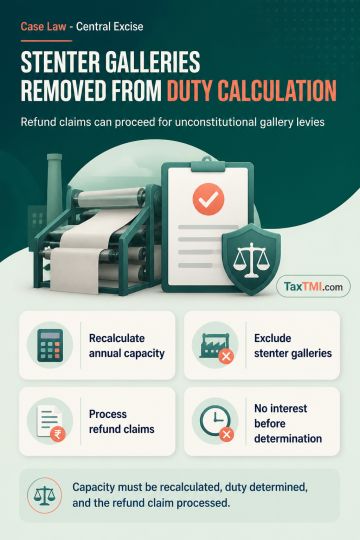
Annual production capacity determinations excluding stenter galleries support refunds for unconstitutional excise levies without an unjust-enrichment ...
Vicarious liability for cheque dishonour requires specific allegations of responsibility and cheque signatory; generic director allegations cannot sus...
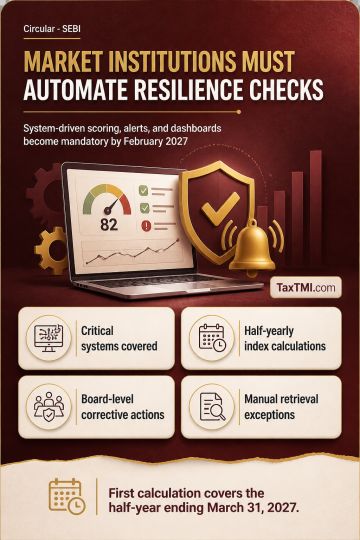
IT Resilience Index requires market infrastructure institutions to automate resilience scoring, early warnings, and continuous service-delivery monito...
Extended limitation under section 28(4) of the Customs Act could not be invoked where the bill of entry disclosed the tariff item and described the imported software CD as relatable to the LRSAM system, and the show cause notice relied only on an allegation of misdeclaration. The Tribunal held that invocation of the extended period requires a deliberate misstatement or suppression made with intent to evade duty, and that intent was not established, particularly given the appellant's status as a public sector undertaking engaged in defence supplies. As the demand rested entirely on the extended period, it failed. The consequential penalty under section 114A also failed because its foundation was the same as the extended-period allegation.
Extended limitation under section 28(4) of the Customs Act could not be invoked where the bill of entry disclosed the tariff item and described the imported software CD as relatable to the LRSAM system, and the show cause notice relied only on an allegation of misdeclaration. The Tribunal held that invocation of the extended period requires a deliberate misstatement or suppression made with intent to evade duty, and that intent was not established, particularly given the appellant's status as a public sector undertaking engaged in defence supplies. As the demand rested entirely on the extended period, it failed. The consequential penalty under section 114A also failed because its foundation was the same as the extended-period allegation.
Note: It is a system-generated summary and is for quick reference only.
 TaxTMI
  TaxTMI
 of 4819









 Join Channel


