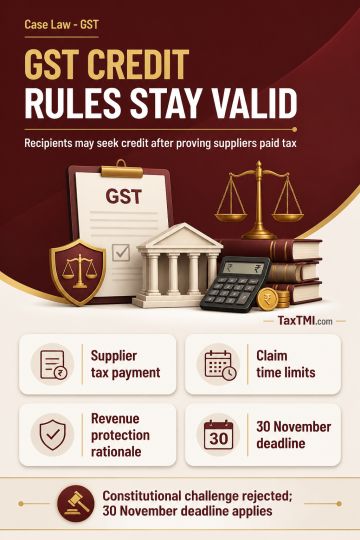
Input tax credit conditions remain constitutionally valid, with eligible recipient claims considered under GST circulars and retrospective filing dead...
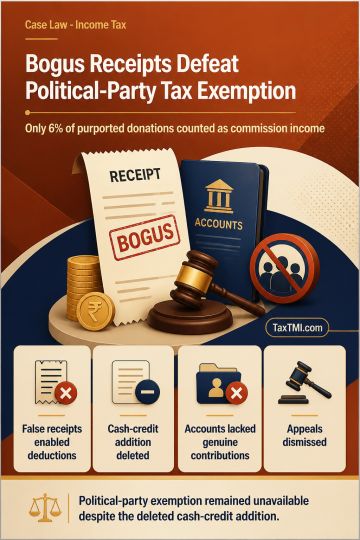
Bogus donation receipts justified commission income assessment and defeated political-party tax exemption for inaccurate accounts and reporting failur...
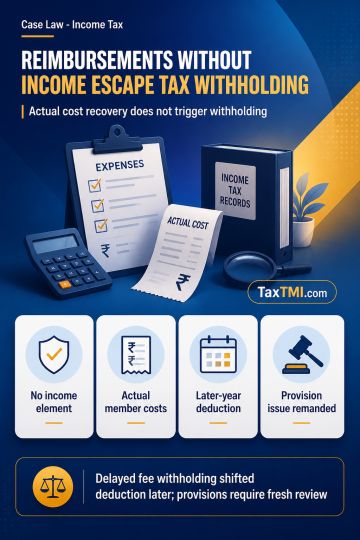
Pure reimbursement without income element escapes tax withholding, while delayed withholding and unsupported provisions face deferred or renewed scrut...
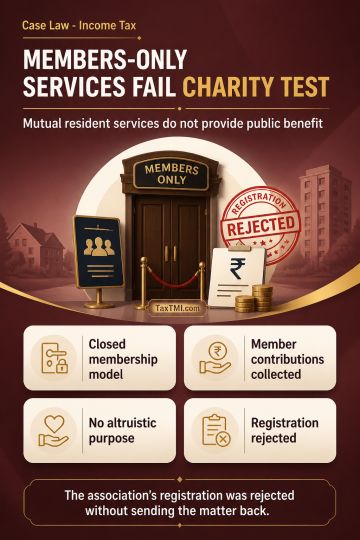
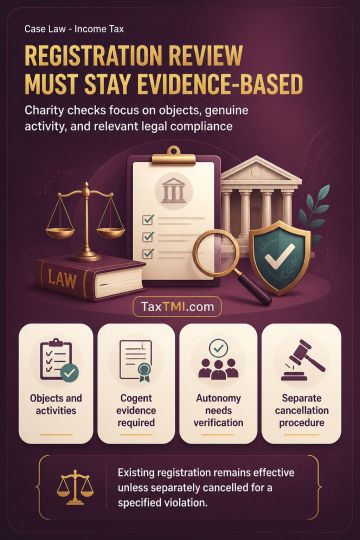
Public benefit requirement defeats charitable registration where residents' association services are reciprocal, member-only facilities governed by mu...
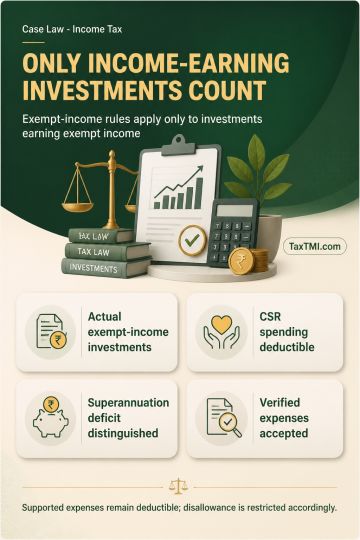
Exempt-income expenditure disallowance is confined to investments that actually generated exempt income, while supported business expenses remain dedu...
Extended limitation under section 28(4) of the Customs Act could not be invoked where the bill of entry disclosed the tariff item and described the imported software CD as relatable to the LRSAM system, and the show cause notice relied only on an allegation of misdeclaration. The Tribunal held that invocation of the extended period requires a deliberate misstatement or suppression made with intent to evade duty, and that intent was not established, particularly given the appellant's status as a public sector undertaking engaged in defence supplies. As the demand rested entirely on the extended period, it failed. The consequential penalty under section 114A also failed because its foundation was the same as the extended-period allegation.
Extended limitation under section 28(4) of the Customs Act could not be invoked where the bill of entry disclosed the tariff item and described the imported software CD as relatable to the LRSAM system, and the show cause notice relied only on an allegation of misdeclaration. The Tribunal held that invocation of the extended period requires a deliberate misstatement or suppression made with intent to evade duty, and that intent was not established, particularly given the appellant's status as a public sector undertaking engaged in defence supplies. As the demand rested entirely on the extended period, it failed. The consequential penalty under section 114A also failed because its foundation was the same as the extended-period allegation.
Note: It is a system-generated summary and is for quick reference only.
 TaxTMI
  TaxTMI
 of 4813



 Join Channel


