Input tax credit conditions remain constitutionally valid, with eligible recipient claims considered under GST circulars and retrospective filing dead...
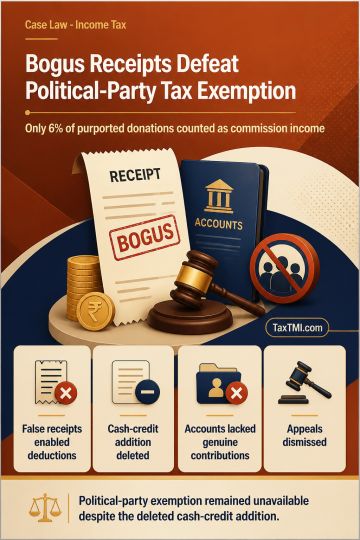
Bogus donation receipts justified commission income assessment and defeated political-party tax exemption for inaccurate accounts and reporting failur...
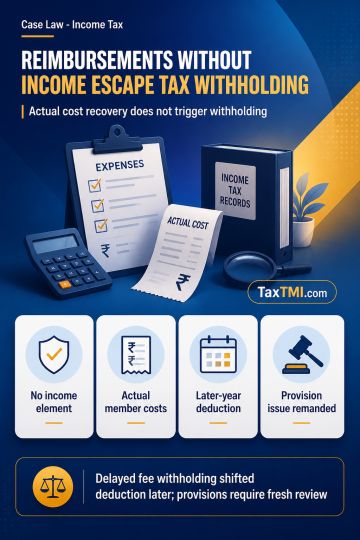
Pure reimbursement without income element escapes tax withholding, while delayed withholding and unsupported provisions face deferred or renewed scrut...
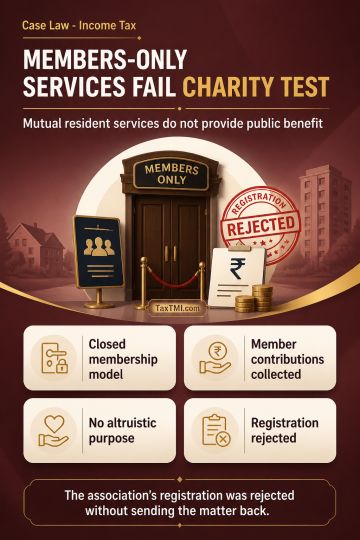
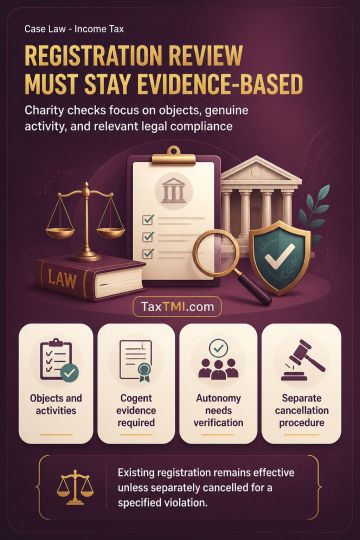
Public benefit requirement defeats charitable registration where residents' association services are reciprocal, member-only facilities governed by mu...
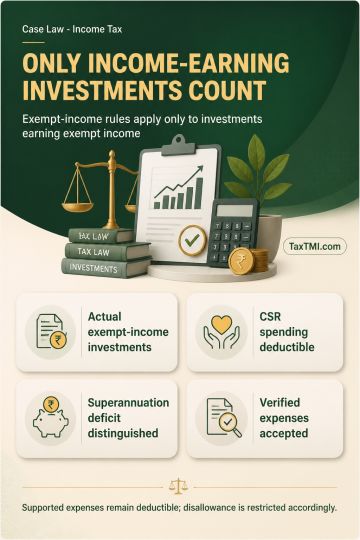
Exempt-income expenditure disallowance is confined to investments that actually generated exempt income, while supported business expenses remain dedu...
Section 122(1) of the GST enactments was held to prescribe a mandatory penalty once the provision is attracted, because the phrase "whichever is higher" leaves no discretion to impose a lesser amount on proportionality grounds. The High Court rejected reliance on proportionality decisions from labour and excise jurisprudence, and noted that the petitioners were prima facie liable on the material in the assessment orders. It also found no procedural irregularity or lack of reasons in the impugned orders, and held that the statutory appellate remedy must be pursued instead of writ relief. The writ petitions were dismissed, but the petitioners were allowed to file appeals with the 10% pre-deposit requirement dispensed with.
Section 122(1) of the GST enactments was held to prescribe a mandatory penalty once the provision is attracted, because the phrase "whichever is higher" leaves no discretion to impose a lesser amount on proportionality grounds. The High Court rejected reliance on proportionality decisions from labour and excise jurisprudence, and noted that the petitioners were prima facie liable on the material in the assessment orders. It also found no procedural irregularity or lack of reasons in the impugned orders, and held that the statutory appellate remedy must be pursued instead of writ relief. The writ petitions were dismissed, but the petitioners were allowed to file appeals with the 10% pre-deposit requirement dispensed with.
Note: It is a system-generated summary and is for quick reference only.
 TaxTMI
  TaxTMI
 of 4809







 Join Channel


