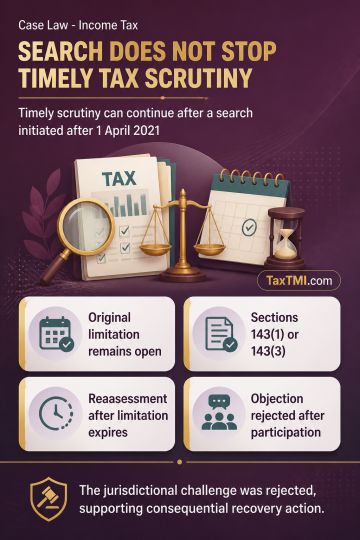
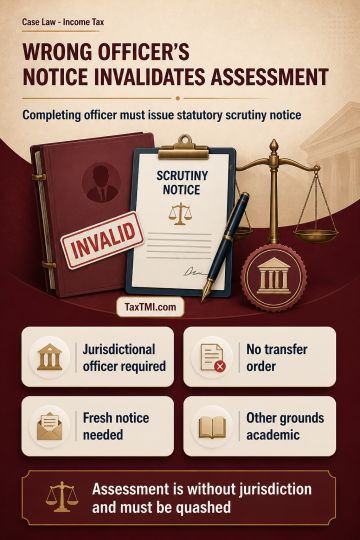
Post-search scrutiny assessment remains available where original assessment limitation is unexpired, permitting timely completion under regular assess...
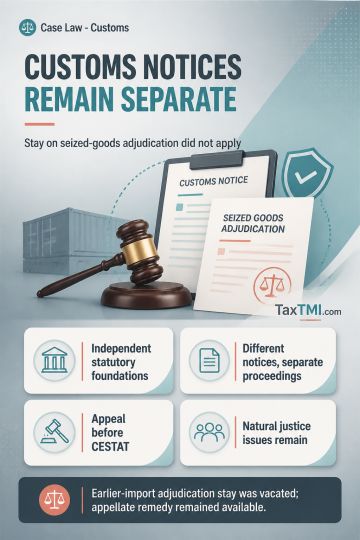
Independent show-cause notices remain separate proceedings, while customs adjudication challenges should ordinarily follow the statutory appellate rem...
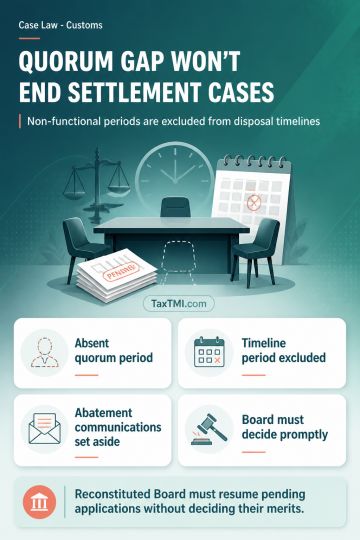
Institutional incapacity in customs settlement proceedings excludes non-functional quorum periods from statutory disposal timelines, preventing automa...
Section 122(1) of the GST enactments was held to prescribe a mandatory penalty once the provision is attracted, because the phrase "whichever is higher" leaves no discretion to impose a lesser amount on proportionality grounds. The High Court rejected reliance on proportionality decisions from labour and excise jurisprudence, and noted that the petitioners were prima facie liable on the material in the assessment orders. It also found no procedural irregularity or lack of reasons in the impugned orders, and held that the statutory appellate remedy must be pursued instead of writ relief. The writ petitions were dismissed, but the petitioners were allowed to file appeals with the 10% pre-deposit requirement dispensed with.
Section 122(1) of the GST enactments was held to prescribe a mandatory penalty once the provision is attracted, because the phrase "whichever is higher" leaves no discretion to impose a lesser amount on proportionality grounds. The High Court rejected reliance on proportionality decisions from labour and excise jurisprudence, and noted that the petitioners were prima facie liable on the material in the assessment orders. It also found no procedural irregularity or lack of reasons in the impugned orders, and held that the statutory appellate remedy must be pursued instead of writ relief. The writ petitions were dismissed, but the petitioners were allowed to file appeals with the 10% pre-deposit requirement dispensed with.
Note: It is a system-generated summary and is for quick reference only.
 TaxTMI
  TaxTMI
 of 4811













 Join Channel