Retention of seized property survives where recorded reasons support proceeds of crime, while stayed investigation periods are excluded from limitatio...
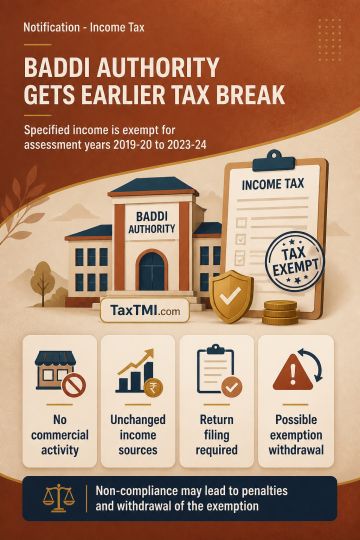
Specified income of Baddi Barotiwala Nalagarh Development Authority receives conditional tax exemption, retrospectively covering its designated assess...
Specified development authority income receives retrospective tax exemption, subject to non-commercial activity, unchanged income sources, and return-...
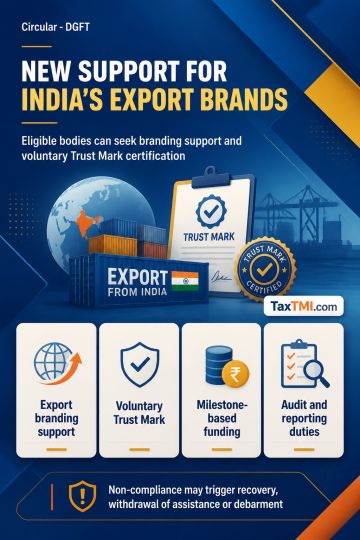
Unified Brand India framework introduces voluntary Trust Mark certification and funding support for export branding, packaging and global promotional ...
Origin Declaration authentication governs preferential tariff claims under India-UK CETA, requiring a validated reference number before import clearan...
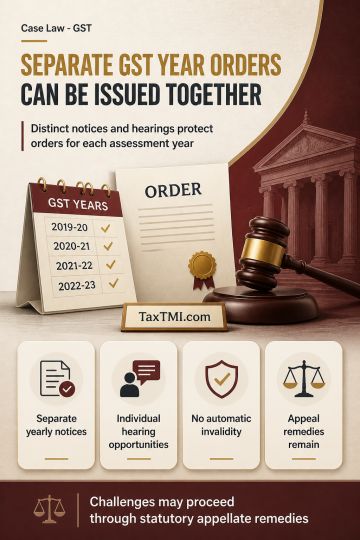
Separate assessment orders for different years remain valid when distinct notices and hearing opportunities prevent prejudice from combined proceeding...
Professional fees paid for services linked to imports from OFAC-restricted Iranian-origin goods were held allowable under section 37(1) because the assessee proved the recipient's identity, genuineness of payment, and banking trail, while the payee confirmed the transactions and disclosed them in its tax records. The Tribunal accepted that the services addressed abnormal remittance delays caused by OFAC-related banking scrutiny, and that comparative material showed improved payment cycles, turnover, and profits after the services were used. Revenue's disallowance failed because it relied on suspicion without independent enquiry or evidence that the services were nonexistent or that payments were returned.
Professional fees paid for services linked to imports from OFAC-restricted Iranian-origin goods were held allowable under section 37(1) because the assessee proved the recipient's identity, genuineness of payment, and banking trail, while the payee confirmed the transactions and disclosed them in its tax records. The Tribunal accepted that the services addressed abnormal remittance delays caused by OFAC-related banking scrutiny, and that comparative material showed improved payment cycles, turnover, and profits after the services were used. Revenue's disallowance failed because it relied on suspicion without independent enquiry or evidence that the services were nonexistent or that payments were returned.
Note: It is a system-generated summary and is for quick reference only.
 TaxTMI
  TaxTMI
 of 4807













 Join Channel


