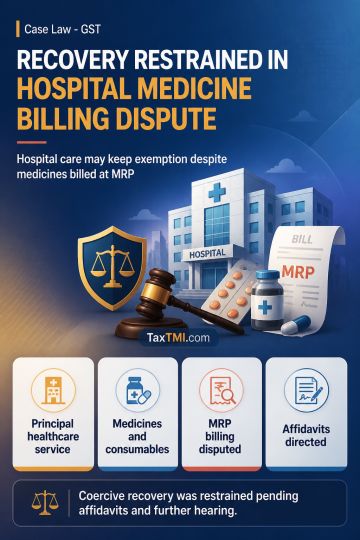
Composite inpatient healthcare supply may retain exemption despite MRP medicine billing, while separate taxable sale characterisation remains disputed...
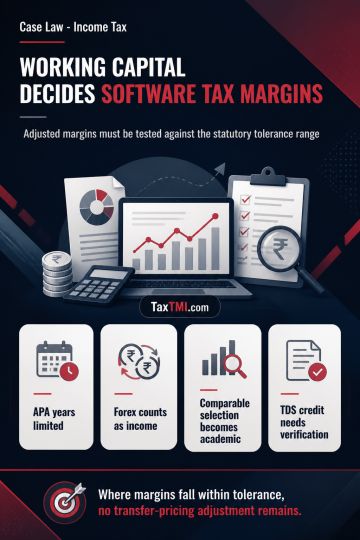
Working-capital adjustment determines whether software-services transfer-pricing margins fall within the statutory tolerance range, eliminating any ad...
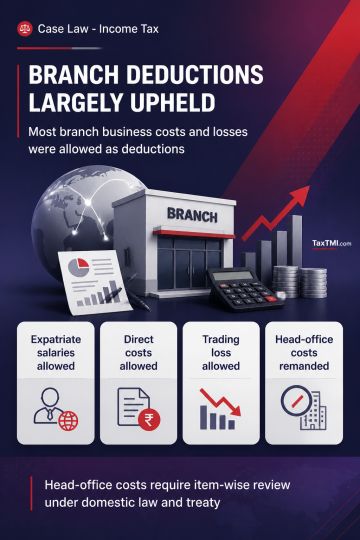
Permanent establishment deductions upheld for expatriate salaries, direct costs and trading losses, while head-office costs require fresh classificati...
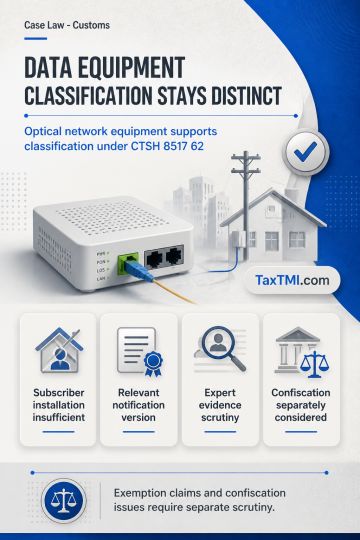
Data transmission equipment classification under CTSH 8517 62 remains distinct from residual classification, with exemption evidence requiring scrutin...
Debit of MEIS duty credit scrips was treated as valid discharge of past customs duty liability for Education Cess and Secondary & Higher Education Cess on imported goods. The Tribunal read clause 11 of CBIC Circular No. 02/2020-Cus as reflecting a broader principle that past payments made through duty credit scrips should not be disturbed and must be accepted as duty already collected. Relying on prior decisions, it held that such cess components formed part of customs duty and could not be recovered again in cash for past imports. In the absence of suppression, fraud, or misdeclaration, any further cash demand would amount to impermissible double recovery.
Debit of MEIS duty credit scrips was treated as valid discharge of past customs duty liability for Education Cess and Secondary & Higher Education Cess on imported goods. The Tribunal read clause 11 of CBIC Circular No. 02/2020-Cus as reflecting a broader principle that past payments made through duty credit scrips should not be disturbed and must be accepted as duty already collected. Relying on prior decisions, it held that such cess components formed part of customs duty and could not be recovered again in cash for past imports. In the absence of suppression, fraud, or misdeclaration, any further cash demand would amount to impermissible double recovery.
Note: It is a system-generated summary and is for quick reference only.
 TaxTMI
  TaxTMI
 of 4811





 Join Channel