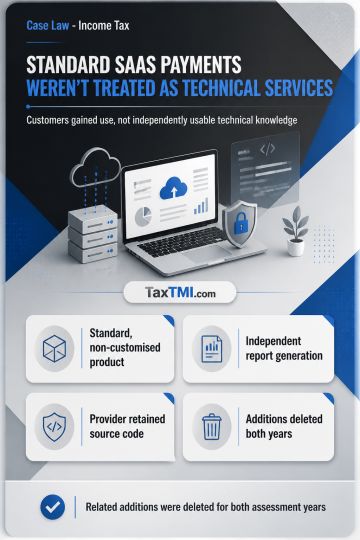
Make-available condition excludes standard SaaS subscription receipts where customers receive no independently usable technical knowledge after subscr...
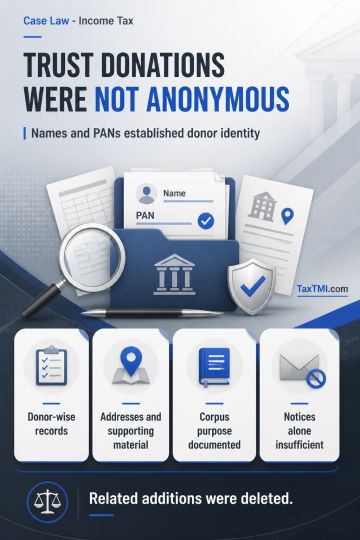
Anonymous donation classification fails where charitable trusts maintain undisputed donor identity records and evidence corpus contributions' intended...
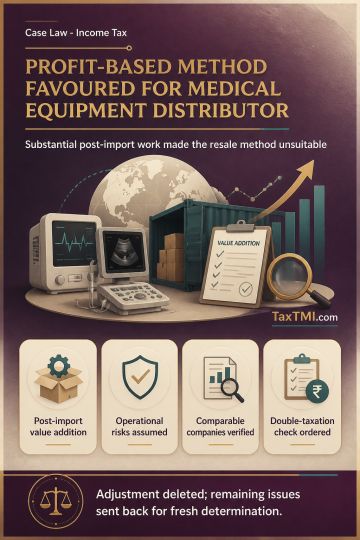
Transfer pricing method selection favours TNMM where medical-equipment distribution involves substantial post-import value addition and operational ri...
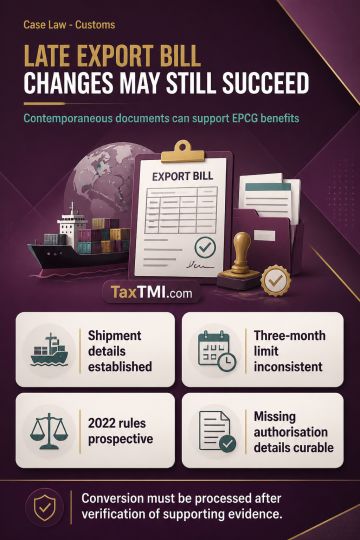
Post-export shipping bill conversion remains available where contemporaneous evidence supports EPCG benefits despite curable procedural omissions and ...
Debit of MEIS duty credit scrips was treated as valid discharge of past customs duty liability for Education Cess and Secondary & Higher Education Cess on imported goods. The Tribunal read clause 11 of CBIC Circular No. 02/2020-Cus as reflecting a broader principle that past payments made through duty credit scrips should not be disturbed and must be accepted as duty already collected. Relying on prior decisions, it held that such cess components formed part of customs duty and could not be recovered again in cash for past imports. In the absence of suppression, fraud, or misdeclaration, any further cash demand would amount to impermissible double recovery.
Debit of MEIS duty credit scrips was treated as valid discharge of past customs duty liability for Education Cess and Secondary & Higher Education Cess on imported goods. The Tribunal read clause 11 of CBIC Circular No. 02/2020-Cus as reflecting a broader principle that past payments made through duty credit scrips should not be disturbed and must be accepted as duty already collected. Relying on prior decisions, it held that such cess components formed part of customs duty and could not be recovered again in cash for past imports. In the absence of suppression, fraud, or misdeclaration, any further cash demand would amount to impermissible double recovery.
Note: It is a system-generated summary and is for quick reference only.
 TaxTMI
  TaxTMI
 of 4819









 Join Channel


