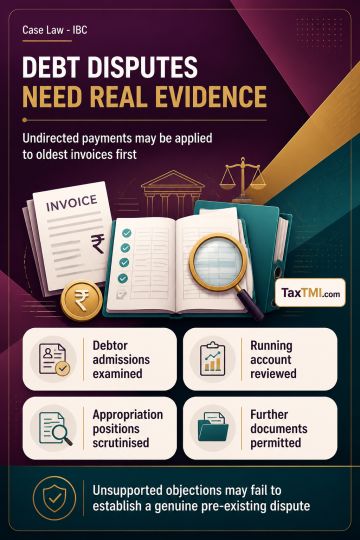
Pre-existing operational debt disputes require genuine evidence, while undirected running-account payments may be appropriated on a first-in-first-out...
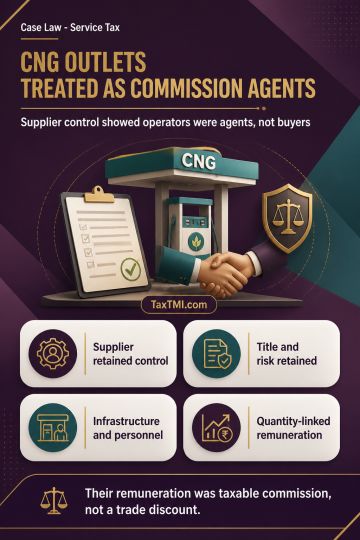
Agency in CNG distribution makes outlet operators commission agents, rendering taxable Business Auxiliary Service rather than purchasing goods for res...
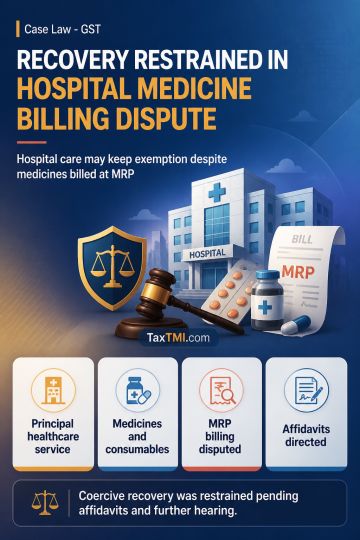
Composite inpatient healthcare supply may retain exemption despite MRP medicine billing, while separate taxable sale characterisation remains disputed...
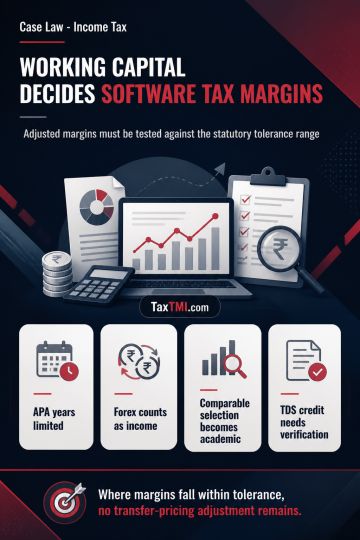
Working-capital adjustment determines whether software-services transfer-pricing margins fall within the statutory tolerance range, eliminating any ad...
Page of 4809
Press 'Enter' after typing page number.
1141 to 1160 of 96177 Results
❮
❯
❯❯
0 / 200
Expand Note
Add to Folder
No Folders have been created
+
Are you sure you want to delete "My most important" ?
Arbitral awards on prolongation costs, GST reimbursement, minimum-wage escalation, Environmental Compensation Charges and taxes were upheld under Section 34 because the tribunal had adopted a plausible view on the contract, delay attribution and quantification of damages. The court treated the prolongation-cost methodology as a permissible estimate based on record and industry practice, and refused re-appreciation of evidence. It also sustained reimbursement for GST introduced during the extended period, held that a minimum-wage escalation bar could not defeat compensation for employer-caused delay, and accepted ECC as an additional charge not clearly barred by the exclusion clause. The majority award was treated as binding, and no patent illegality or perversity was shown.
Arbitral awards on prolongation costs, GST reimbursement, minimum-wage escalation, Environmental Compensation Charges and taxes were upheld under Section 34 because the tribunal had adopted a plausible view on the contract, delay attribution and quantification of damages. The court treated the prolongation-cost methodology as a permissible estimate based on record and industry practice, and refused re-appreciation of evidence. It also sustained reimbursement for GST introduced during the extended period, held that a minimum-wage escalation bar could not defeat compensation for employer-caused delay, and accepted ECC as an additional charge not clearly barred by the exclusion clause. The majority award was treated as binding, and no patent illegality or perversity was shown.
Note: It is a system-generated summary and is for quick reference only.
 TaxTMI
  TaxTMI
 of 4809






 Join Channel