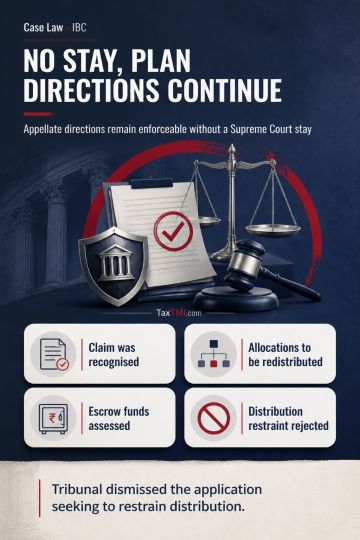
Enforcement of resolution-plan directions continues without a Supreme Court stay, preventing suspension of redistribution and escrowed-fund distributi...
Third-party ownership claims over attached property require Special Court adjudication where purchasers lack registered sale deeds and bona fides rema...
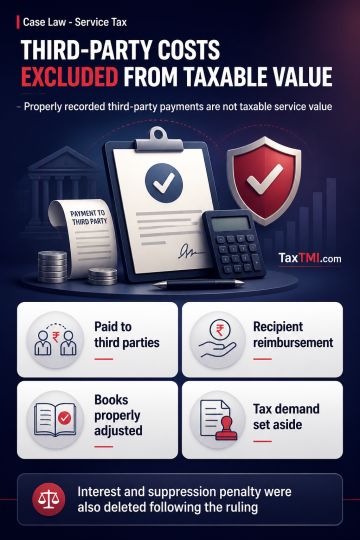
Pure-agent reimbursements in clearing and forwarding services are excluded from taxable value when qualifying third-party payments are properly record...
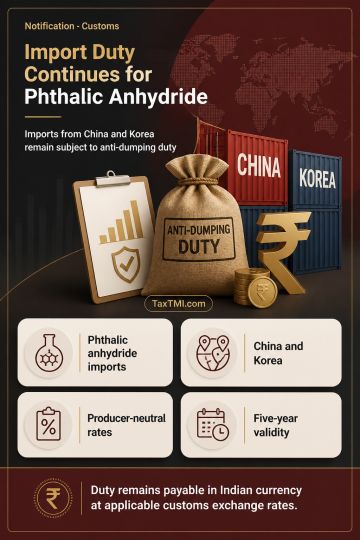
Customs relief for Strait of Hormuz maritime disruptions remains available, with existing conditions continuing unchanged through the extended validit...
Arbitral awards on prolongation costs, GST reimbursement, minimum-wage escalation, Environmental Compensation Charges and taxes were upheld under Section 34 because the tribunal had adopted a plausible view on the contract, delay attribution and quantification of damages. The court treated the prolongation-cost methodology as a permissible estimate based on record and industry practice, and refused re-appreciation of evidence. It also sustained reimbursement for GST introduced during the extended period, held that a minimum-wage escalation bar could not defeat compensation for employer-caused delay, and accepted ECC as an additional charge not clearly barred by the exclusion clause. The majority award was treated as binding, and no patent illegality or perversity was shown.
Arbitral awards on prolongation costs, GST reimbursement, minimum-wage escalation, Environmental Compensation Charges and taxes were upheld under Section 34 because the tribunal had adopted a plausible view on the contract, delay attribution and quantification of damages. The court treated the prolongation-cost methodology as a permissible estimate based on record and industry practice, and refused re-appreciation of evidence. It also sustained reimbursement for GST introduced during the extended period, held that a minimum-wage escalation bar could not defeat compensation for employer-caused delay, and accepted ECC as an additional charge not clearly barred by the exclusion clause. The majority award was treated as binding, and no patent illegality or perversity was shown.
Note: It is a system-generated summary and is for quick reference only.
 TaxTMI
  TaxTMI
 of 4814






 Join Channel