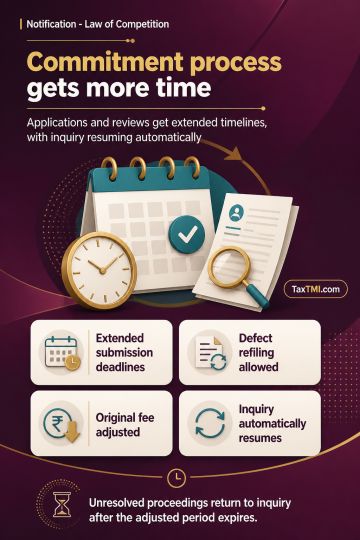
Commitment proceedings gain extended timelines, structured defect refiling, and automatic resumption of inquiry after the adjusted completion period e...
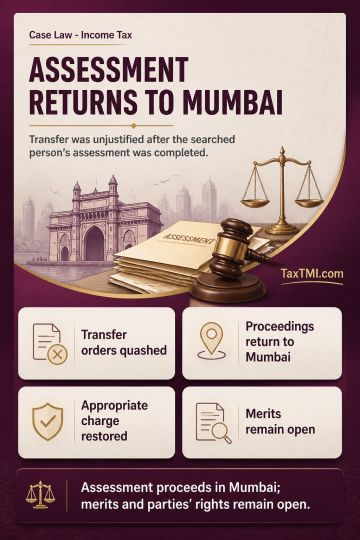
Centralised assessment transfer becomes unwarranted once the searched person's assessment is complete, requiring restoration to the appropriate charge...
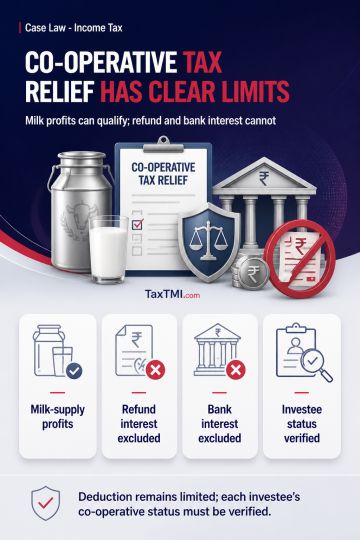
Co-operative deduction eligibility excludes refund and commercial-bank interest, while qualifying co-operative investments require entity-wise verific...
Page of 4816
Press 'Enter' after typing page number.
301 to 320 of 96301 Results
❮
❯
❯❯
0 / 200
Expand Note
Add to Folder
No Folders have been created
+
Are you sure you want to delete "My most important" ?
Arbitral awards on prolongation costs, GST reimbursement, minimum-wage escalation, Environmental Compensation Charges and taxes were upheld under Section 34 because the tribunal had adopted a plausible view on the contract, delay attribution and quantification of damages. The court treated the prolongation-cost methodology as a permissible estimate based on record and industry practice, and refused re-appreciation of evidence. It also sustained reimbursement for GST introduced during the extended period, held that a minimum-wage escalation bar could not defeat compensation for employer-caused delay, and accepted ECC as an additional charge not clearly barred by the exclusion clause. The majority award was treated as binding, and no patent illegality or perversity was shown.
Arbitral awards on prolongation costs, GST reimbursement, minimum-wage escalation, Environmental Compensation Charges and taxes were upheld under Section 34 because the tribunal had adopted a plausible view on the contract, delay attribution and quantification of damages. The court treated the prolongation-cost methodology as a permissible estimate based on record and industry practice, and refused re-appreciation of evidence. It also sustained reimbursement for GST introduced during the extended period, held that a minimum-wage escalation bar could not defeat compensation for employer-caused delay, and accepted ECC as an additional charge not clearly barred by the exclusion clause. The majority award was treated as binding, and no patent illegality or perversity was shown.
Note: It is a system-generated summary and is for quick reference only.
 TaxTMI
  TaxTMI
 of 4816








 Join Channel