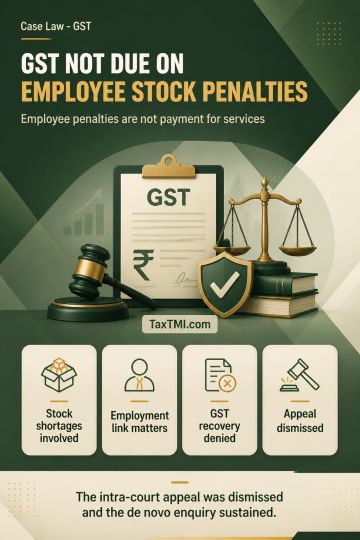
Employee stock-shortage penalties do not constitute consideration for services, preventing GST collection under Schedule II in employment relationship...
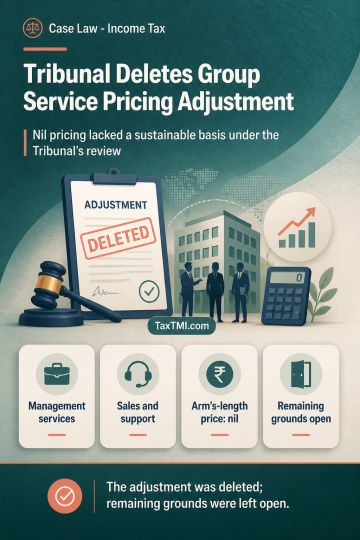
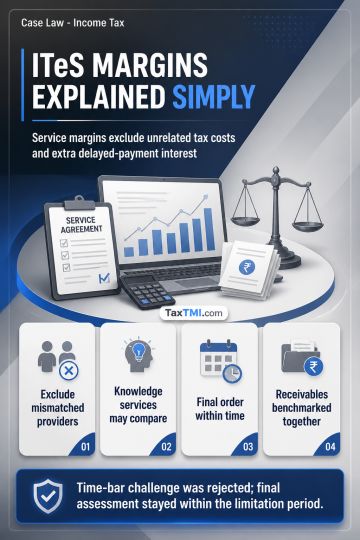
Transfer-pricing treatment of ITeS margins excludes pass-through tax recoveries and separate delayed-receivables interest after working-capital adjust...
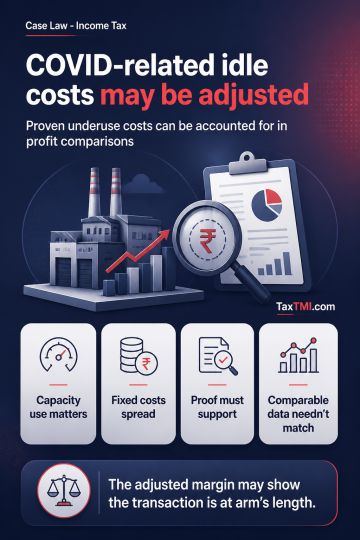
Capacity-utilisation adjustments under TNMM can neutralise substantiated COVID-related idle costs where underutilisation materially affects profitabil...
A waiver application filed beyond three months from the notified date could not be rejected solely as time-barred because the relevant notification used enabling language and the filing period was directory, not mandatory. The High Court held that the authority misdirected itself in law by treating the three-month period as an inflexible bar. The rejection order was quashed, and the application was directed to be reconsidered on merits in accordance with law; pending such reconsideration, the show cause notice, summary notice and order in original were kept in abeyance.
A waiver application filed beyond three months from the notified date could not be rejected solely as time-barred because the relevant notification used enabling language and the filing period was directory, not mandatory. The High Court held that the authority misdirected itself in law by treating the three-month period as an inflexible bar. The rejection order was quashed, and the application was directed to be reconsidered on merits in accordance with law; pending such reconsideration, the show cause notice, summary notice and order in original were kept in abeyance.
Note: It is a system-generated summary and is for quick reference only.
 TaxTMI
  TaxTMI
 of 4824





 Join Channel


