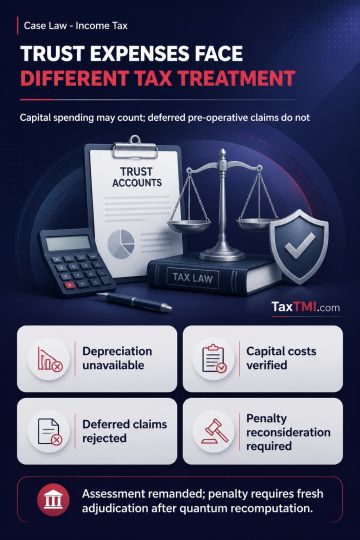
Charitable trust income application permits verified capital expenditure but rejects deferred pre-operative claims and requires reconsideration of con...
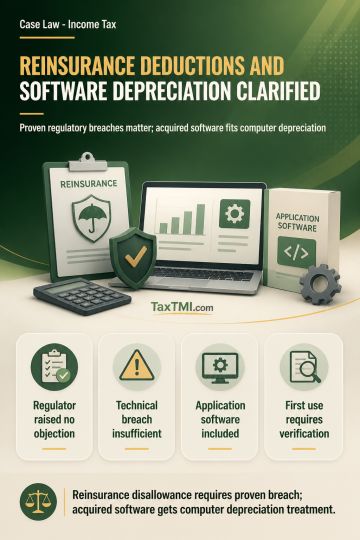
Reinsurance premium deductions require established regulatory breaches, while independently acquired software qualifies within the computer depreciati...
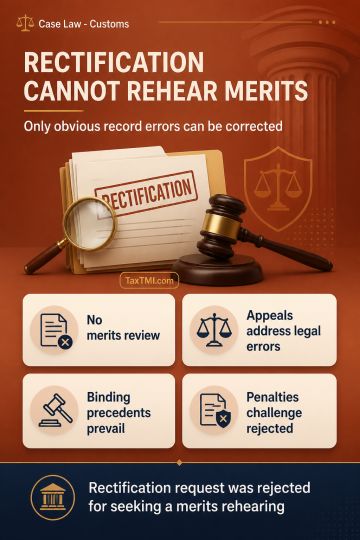
Rectification of mistake remains limited to self-evident record errors, preventing merits review through miscellaneous applications and preserving fin...
Tender creditworthiness conditions may extend to de facto Promoter Directors, with post-participation challenges generally barred absent arbitrariness...
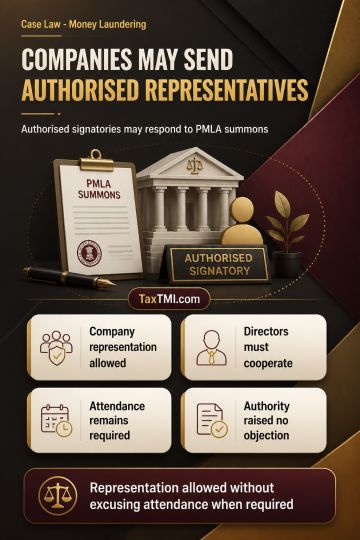
Corporate representation in PMLA summons proceedings permitted through an authorised signatory, subject to directors' continuing cooperation and atten...
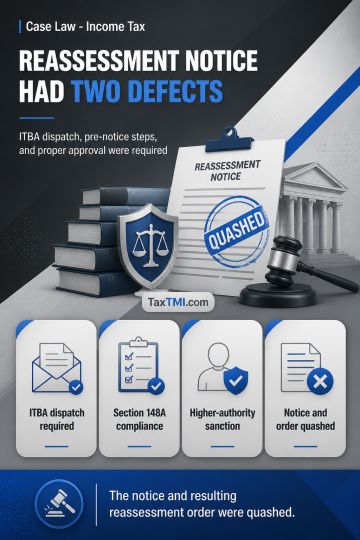
ITAT upheld the reassessment notice because the record showed prior approval of the Principal Commissioner on the notice under section 148A(b), and both the notice and approval were within the statutory time limit, so the challenge on limitation and lack of approval failed. On disputed bogus purchases, the Tribunal held that invoices, ledgers and banking entries were not enough where Investigation Wing and GST material indicated accommodation entry suppliers and there were deficiencies in transport and purchase-to-sale linkage. It found that the existing factual examination was inadequate to sustain either full disallowance or a restriction to 15%, and restored the matter to the Assessing Officer for fresh verification and enquiries.
ITAT upheld the reassessment notice because the record showed prior approval of the Principal Commissioner on the notice under section 148A(b), and both the notice and approval were within the statutory time limit, so the challenge on limitation and lack of approval failed. On disputed bogus purchases, the Tribunal held that invoices, ledgers and banking entries were not enough where Investigation Wing and GST material indicated accommodation entry suppliers and there were deficiencies in transport and purchase-to-sale linkage. It found that the existing factual examination was inadequate to sustain either full disallowance or a restriction to 15%, and restored the matter to the Assessing Officer for fresh verification and enquiries.
Note: It is a system-generated summary and is for quick reference only.
 TaxTMI
  TaxTMI
 of 4807




 Join Channel


