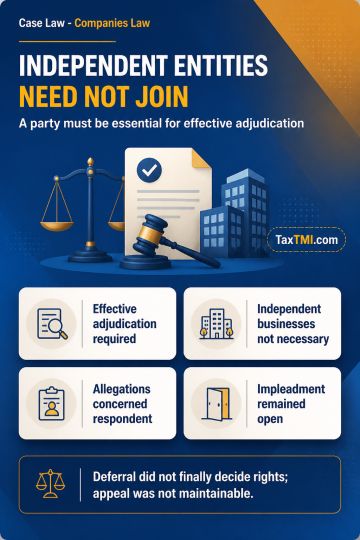
Necessary-party requirements limit impleadment of independent entities, while deferred consideration does not create an appealable adverse determinati...
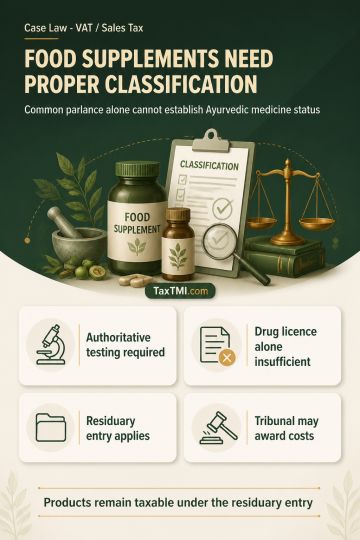
Food supplement classification requires common parlance and authoritative tests, preventing treatment as proprietary Ayurvedic medicines without suppo...
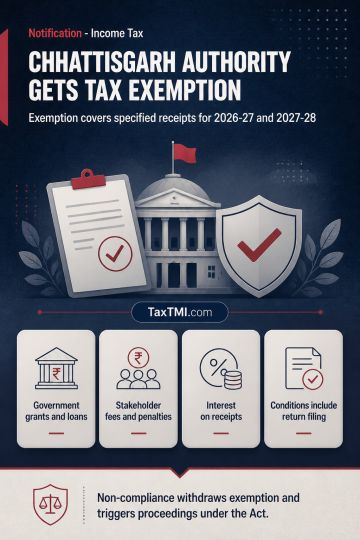
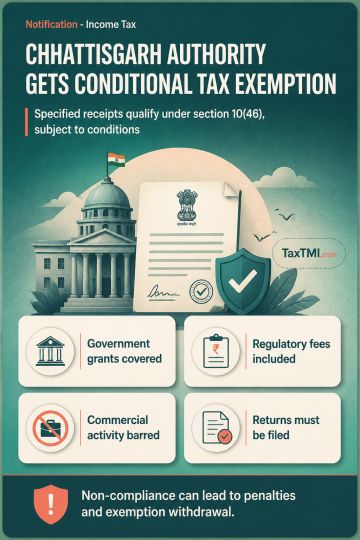
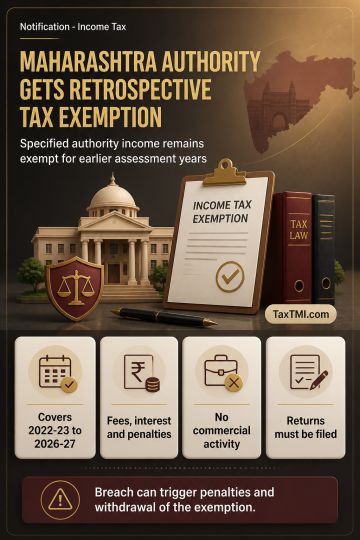
Specified regulatory authority income receives conditional tax exemption, subject to non-commercial activity, unchanged income character, and return f...
Tax exemption for regulatory authority income applies retrospectively, subject to non-commercial activity, unchanged income sources, and return-filing...
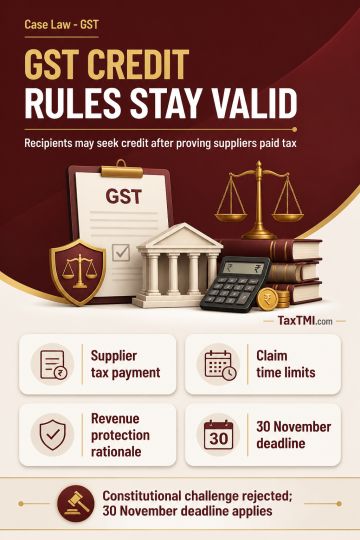
Input tax credit conditions remain constitutionally valid, with eligible recipient claims considered under GST circulars and retrospective filing dead...
Page of 4807
Press 'Enter' after typing page number.
861 to 880 of 96140 Results
❮
❯
❯❯
0 / 200
Expand Note
Add to Folder
No Folders have been created
+
Are you sure you want to delete "My most important" ?
ITAT upheld the reassessment notice because the record showed prior approval of the Principal Commissioner on the notice under section 148A(b), and both the notice and approval were within the statutory time limit, so the challenge on limitation and lack of approval failed. On disputed bogus purchases, the Tribunal held that invoices, ledgers and banking entries were not enough where Investigation Wing and GST material indicated accommodation entry suppliers and there were deficiencies in transport and purchase-to-sale linkage. It found that the existing factual examination was inadequate to sustain either full disallowance or a restriction to 15%, and restored the matter to the Assessing Officer for fresh verification and enquiries.
ITAT upheld the reassessment notice because the record showed prior approval of the Principal Commissioner on the notice under section 148A(b), and both the notice and approval were within the statutory time limit, so the challenge on limitation and lack of approval failed. On disputed bogus purchases, the Tribunal held that invoices, ledgers and banking entries were not enough where Investigation Wing and GST material indicated accommodation entry suppliers and there were deficiencies in transport and purchase-to-sale linkage. It found that the existing factual examination was inadequate to sustain either full disallowance or a restriction to 15%, and restored the matter to the Assessing Officer for fresh verification and enquiries.
Note: It is a system-generated summary and is for quick reference only.
 TaxTMI
  TaxTMI
 of 4807



 Join Channel