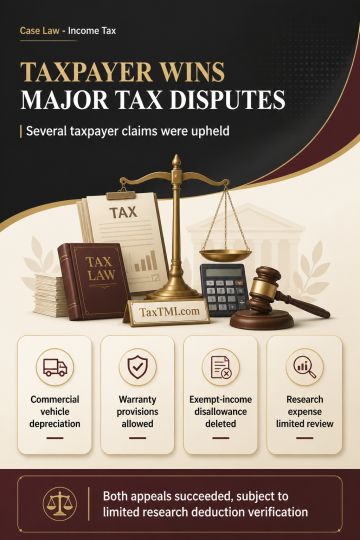
Commercial vehicle depreciation, scientifically determined warranty provisions and exempt-income disallowances were resolved in favour of the taxpayer...
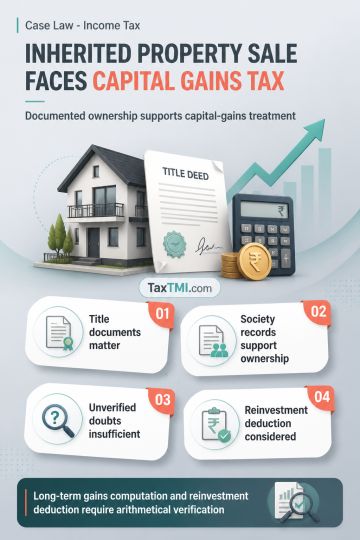
Inherited property sale proceeds require capital-gains treatment where ownership is supported by evidence, not suspicion or unverified signature doubt...
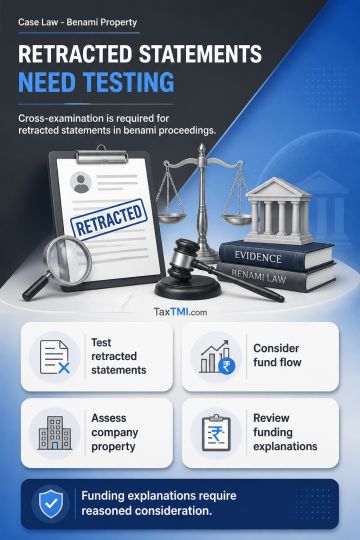
Cross-examination of retracted statements is essential where foundational evidence supports a benami allegation and documented funding explanations re...
Capital-goods exemption covers plant-modernisation accessories, while the import restriction applies only to earlier capital-goods components and spar...
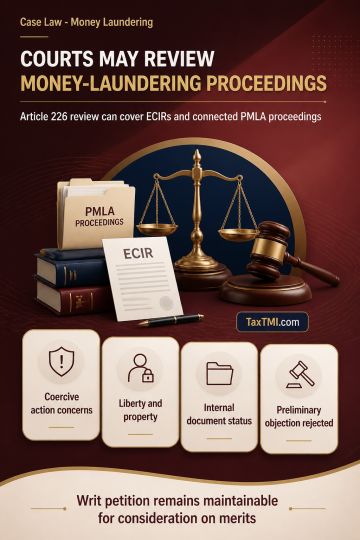
Constitutional judicial review permits challenges to ECIRs and connected money-laundering proceedings where coercive action affects fundamental intere...
ITAT upheld the reassessment notice because the record showed prior approval of the Principal Commissioner on the notice under section 148A(b), and both the notice and approval were within the statutory time limit, so the challenge on limitation and lack of approval failed. On disputed bogus purchases, the Tribunal held that invoices, ledgers and banking entries were not enough where Investigation Wing and GST material indicated accommodation entry suppliers and there were deficiencies in transport and purchase-to-sale linkage. It found that the existing factual examination was inadequate to sustain either full disallowance or a restriction to 15%, and restored the matter to the Assessing Officer for fresh verification and enquiries.
ITAT upheld the reassessment notice because the record showed prior approval of the Principal Commissioner on the notice under section 148A(b), and both the notice and approval were within the statutory time limit, so the challenge on limitation and lack of approval failed. On disputed bogus purchases, the Tribunal held that invoices, ledgers and banking entries were not enough where Investigation Wing and GST material indicated accommodation entry suppliers and there were deficiencies in transport and purchase-to-sale linkage. It found that the existing factual examination was inadequate to sustain either full disallowance or a restriction to 15%, and restored the matter to the Assessing Officer for fresh verification and enquiries.
Note: It is a system-generated summary and is for quick reference only.
 TaxTMI
  TaxTMI
 of 4809





 Join Channel


