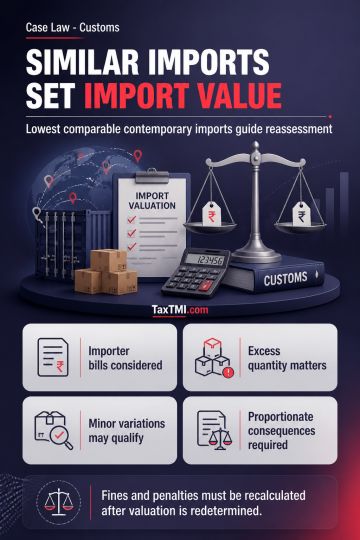
Customs valuation must use comparable contemporary imports, while confiscation fines and penalties require proportionate recalculation on reassessed v...
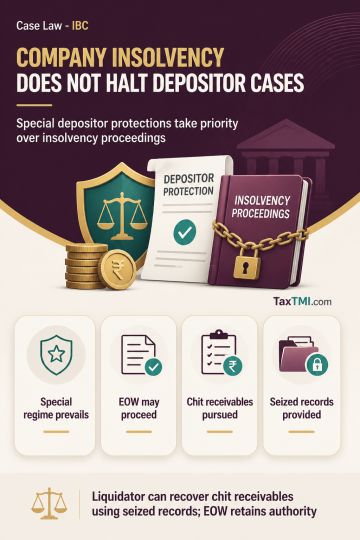
Depositor-protection proceedings prevail over corporate insolvency, while liquidators may recover chit receivables using copies of seized company reco...
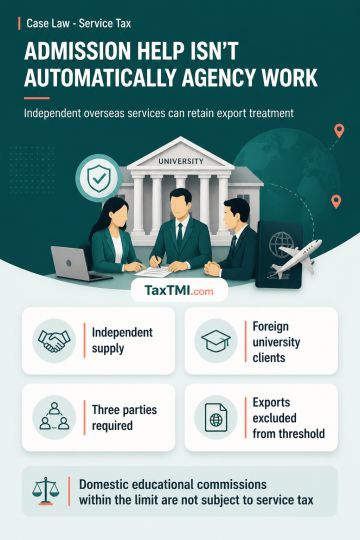
Intermediary service classification fails where overseas admission facilitation is supplied independently, preserving export treatment and small-provi...
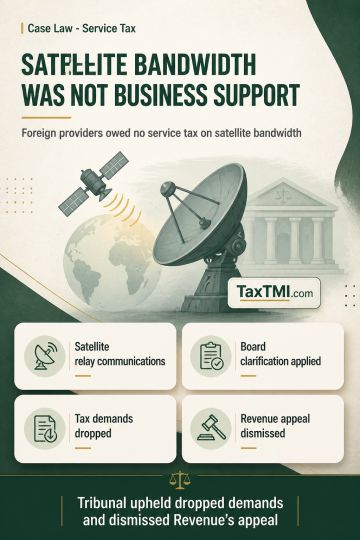
Satellite transponder bandwidth is telecommunication, not Business Support Service; foreign non-telegraph providers triggered no service tax liability...
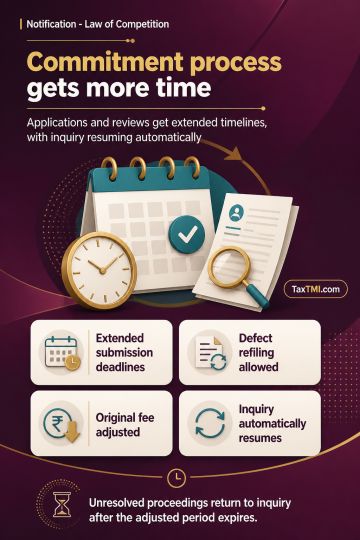
Commitment proceedings gain extended timelines, structured defect refiling, and automatic resumption of inquiry after the adjusted completion period e...
ITAT upheld the reassessment notice because the record showed prior approval of the Principal Commissioner on the notice under section 148A(b), and both the notice and approval were within the statutory time limit, so the challenge on limitation and lack of approval failed. On disputed bogus purchases, the Tribunal held that invoices, ledgers and banking entries were not enough where Investigation Wing and GST material indicated accommodation entry suppliers and there were deficiencies in transport and purchase-to-sale linkage. It found that the existing factual examination was inadequate to sustain either full disallowance or a restriction to 15%, and restored the matter to the Assessing Officer for fresh verification and enquiries.
ITAT upheld the reassessment notice because the record showed prior approval of the Principal Commissioner on the notice under section 148A(b), and both the notice and approval were within the statutory time limit, so the challenge on limitation and lack of approval failed. On disputed bogus purchases, the Tribunal held that invoices, ledgers and banking entries were not enough where Investigation Wing and GST material indicated accommodation entry suppliers and there were deficiencies in transport and purchase-to-sale linkage. It found that the existing factual examination was inadequate to sustain either full disallowance or a restriction to 15%, and restored the matter to the Assessing Officer for fresh verification and enquiries.
Note: It is a system-generated summary and is for quick reference only.
 TaxTMI
  TaxTMI
 of 4813




 Join Channel