Cross-examination rights and corroborated evidence limit customs penalties for misdeclaration in genuine import transactions involving documented clea...
Tariff classification of vehicle gear components follows the specific gearing entry, displacing motor-vehicle parts classification and related liabili...
Necessary-party requirements limit impleadment of independent entities, while deferred consideration does not create an appealable adverse determinati...
Food supplement classification requires common parlance and authoritative tests, preventing treatment as proprietary Ayurvedic medicines without suppo...
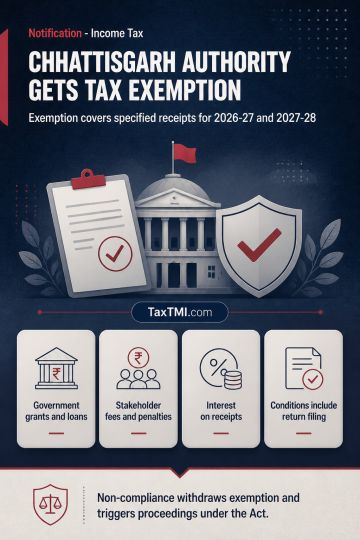
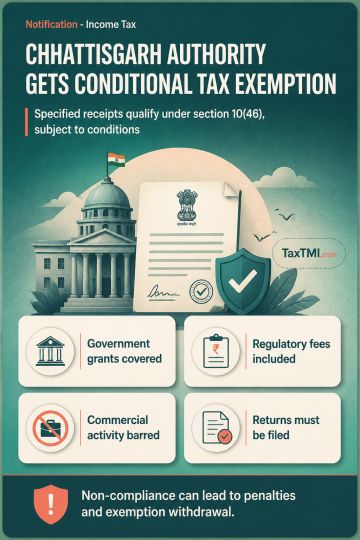
Specified regulatory authority income receives conditional tax exemption, subject to non-commercial activity, unchanged income character, and return f...
Tax exemption for regulatory authority income applies retrospectively, subject to non-commercial activity, unchanged income sources, and return-filing...
An appeal under the Insolvency and Bankruptcy Code was found invalidly instituted where it was filed and refiled without the certified copy of the impugned order and without seeking exemption from producing it. The SC held that Rule 22(2) of the NCLAT Rules requires the certified copy to accompany every appeal, and non-compliance goes to the root of institution rather than constituting a curable refiling defect. Because the appellant had not applied for the certified copy within limitation and had shown no diligence, the NCLAT was required first to verify valid institution before considering delay. Its failure to do so vitiated the condonation order, which was set aside.
An appeal under the Insolvency and Bankruptcy Code was found invalidly instituted where it was filed and refiled without the certified copy of the impugned order and without seeking exemption from producing it. The SC held that Rule 22(2) of the NCLAT Rules requires the certified copy to accompany every appeal, and non-compliance goes to the root of institution rather than constituting a curable refiling defect. Because the appellant had not applied for the certified copy within limitation and had shown no diligence, the NCLAT was required first to verify valid institution before considering delay. Its failure to do so vitiated the condonation order, which was set aside.
Note: It is a system-generated summary and is for quick reference only.
 TaxTMI
  TaxTMI
 of 4809




















 Join Channel