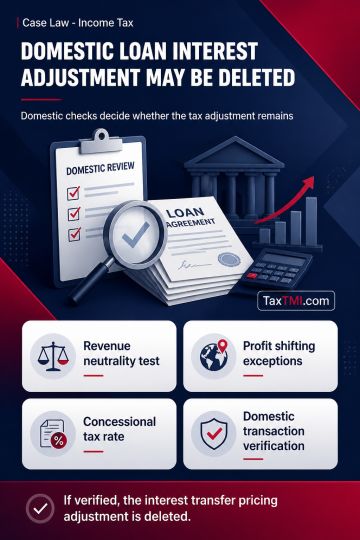
Revenue neutrality in domestic related-party loans can require deletion of interest transfer pricing adjustments after domestic-transaction verificati...
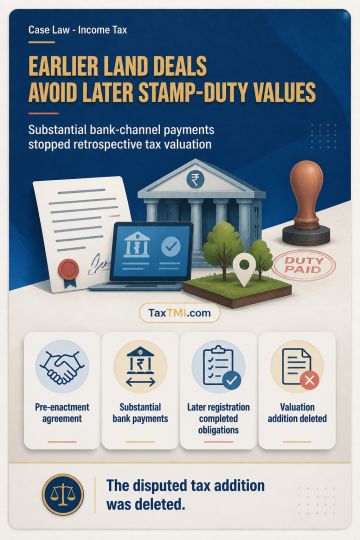
Pre-enactment land-sale agreements escape stamp-duty value substitution where substantial banking-channel consideration was received before Section 43...
Classification of e-commerce fulfilment activity turned on commercial substance, not contractual labels. The Appellate Authority found that hub-based collection, sorting, transshipment, tracking and last-mile doorstep delivery had the characteristics of organised courier and logistics operations, so the activity was not a genuine goods transport agency service despite a consignment note and separate recovery of transport charges. It also held that no independent transportation contract existed between the platform customer and the service provider, so the customer could not be treated as the recipient of GTA service. Exemption for GTA service to unregistered recipients was therefore unavailable, and the supply was liable to GST as a taxable courier/logistics/fulfilment service.
Classification of e-commerce fulfilment activity turned on commercial substance, not contractual labels. The Appellate Authority found that hub-based collection, sorting, transshipment, tracking and last-mile doorstep delivery had the characteristics of organised courier and logistics operations, so the activity was not a genuine goods transport agency service despite a consignment note and separate recovery of transport charges. It also held that no independent transportation contract existed between the platform customer and the service provider, so the customer could not be treated as the recipient of GTA service. Exemption for GTA service to unregistered recipients was therefore unavailable, and the supply was liable to GST as a taxable courier/logistics/fulfilment service.
Note: It is a system-generated summary and is for quick reference only.
 TaxTMI
  TaxTMI
 of 4816








 Join Channel