Judicial review of settlement orders cannot reopen settled customs notices, while statutory interest remains subject to verification and quantificatio...
Customs Broker licence lending for consideration justified revocation where exporter authorisation and client verification obligations were also breac...
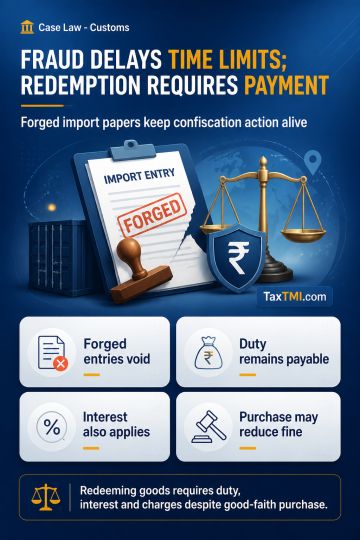
Fraudulent import documents suspend limitation protection, while redemption of confiscated goods requires duty and interest despite bona fide purchase...
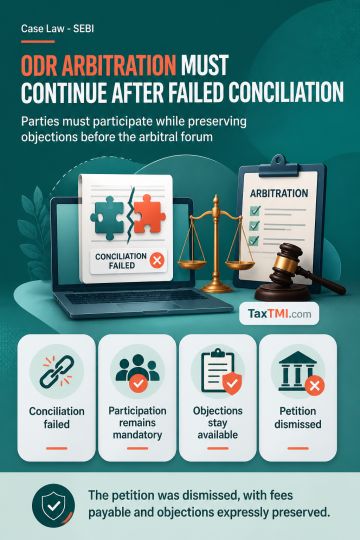
ODR arbitration participation remains mandatory after failed conciliation, while jurisdictional and maintainability objections stay available before t...
Transparency in technical bid evaluation requires disclosed standards and recorded reasons; opaque scoring invalidated tender awards and required fres...
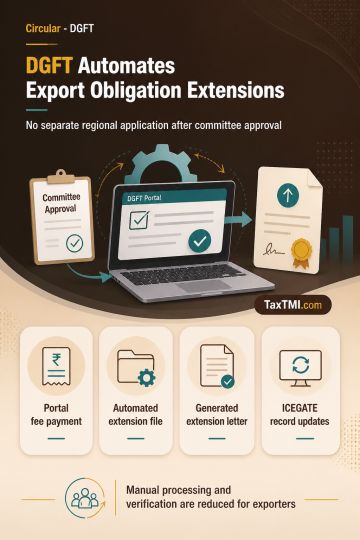
Automated export obligation extensions remove separate regional applications after committee approval for Advance Authorisation and EPCG authorisation...
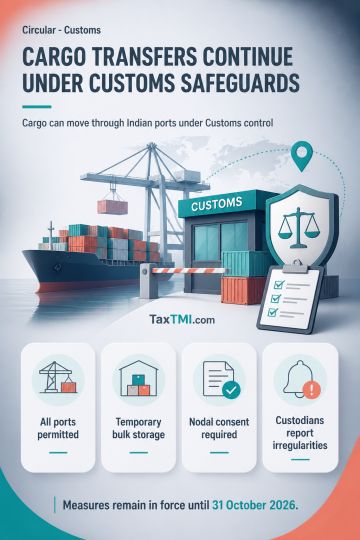
International cargo transhipment through Indian ports continues with Customs-controlled storage, re-export safeguards, and coordinated multi-station m...
Classification of e-commerce fulfilment activity turned on commercial substance, not contractual labels. The Appellate Authority found that hub-based collection, sorting, transshipment, tracking and last-mile doorstep delivery had the characteristics of organised courier and logistics operations, so the activity was not a genuine goods transport agency service despite a consignment note and separate recovery of transport charges. It also held that no independent transportation contract existed between the platform customer and the service provider, so the customer could not be treated as the recipient of GTA service. Exemption for GTA service to unregistered recipients was therefore unavailable, and the supply was liable to GST as a taxable courier/logistics/fulfilment service.
Classification of e-commerce fulfilment activity turned on commercial substance, not contractual labels. The Appellate Authority found that hub-based collection, sorting, transshipment, tracking and last-mile doorstep delivery had the characteristics of organised courier and logistics operations, so the activity was not a genuine goods transport agency service despite a consignment note and separate recovery of transport charges. It also held that no independent transportation contract existed between the platform customer and the service provider, so the customer could not be treated as the recipient of GTA service. Exemption for GTA service to unregistered recipients was therefore unavailable, and the supply was liable to GST as a taxable courier/logistics/fulfilment service.
Note: It is a system-generated summary and is for quick reference only.
 TaxTMI
  TaxTMI
 of 4817












 Join Channel