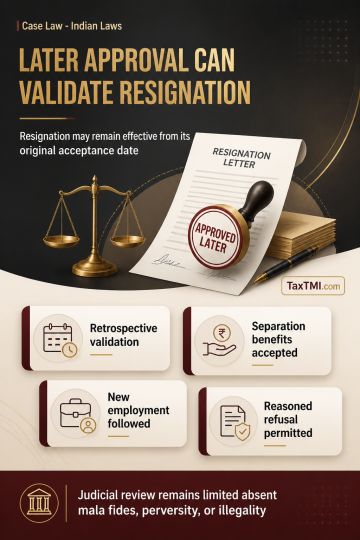
Ratification of resignation acceptance validates separation retrospectively, while withdrawal may be refused through reasoned administrative discretio...
Nature-dependent electricity contracts receive new Ind AS accounting, hedge designation, transition and financial-statement disclosure requirements fr...
Alternative GST remedy permitted protective writ intervention for ex parte adjudication, preserving independent appellate review of input tax credit d...
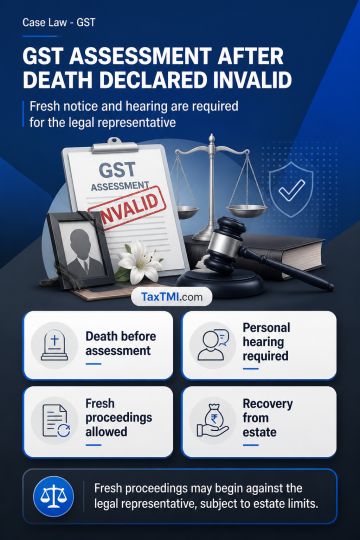
Assessment against deceased sole proprietor requires proceedings against the legal representative, rendering prior assessment and appellate orders inv...
Page of 4813
Press 'Enter' after typing page number.
421 to 440 of 96257 Results
❮
❯
❯❯
0 / 200
Expand Note
Add to Folder
No Folders have been created
+
Are you sure you want to delete "My most important" ?
The NCLAT held that the insolvency framework empowers a resolution professional to appoint professionals when needed for the CIRP, and no CoC approval is required for appointing a transaction auditor or for filing an avoidance application; those objections were rejected. It also held that preferential transaction proceedings are summary in nature and do not require joinder of transferee entities where the corporate debtor's records suffice; the non-joinder plea therefore failed. On Section 43, the Tribunal found a preferential transfer only where the recipient was a creditor and the payment was within the related-party look-back period without material showing ordinary-course supply. The transfer to K. Sera Sera Digital Cinema Ltd. was upheld as preferential, while the transfer to K. Sera Sera Miniplex Ltd. was set aside.
The NCLAT held that the insolvency framework empowers a resolution professional to appoint professionals when needed for the CIRP, and no CoC approval is required for appointing a transaction auditor or for filing an avoidance application; those objections were rejected. It also held that preferential transaction proceedings are summary in nature and do not require joinder of transferee entities where the corporate debtor's records suffice; the non-joinder plea therefore failed. On Section 43, the Tribunal found a preferential transfer only where the recipient was a creditor and the payment was within the related-party look-back period without material showing ordinary-course supply. The transfer to K. Sera Sera Digital Cinema Ltd. was upheld as preferential, while the transfer to K. Sera Sera Miniplex Ltd. was set aside.
Note: It is a system-generated summary and is for quick reference only.
 TaxTMI
  TaxTMI
 of 4813













 Join Channel