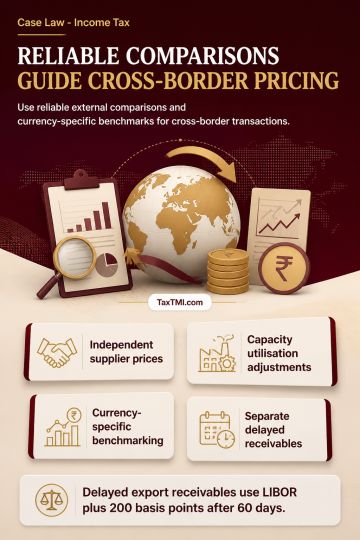
Transfer pricing comparability prioritises reliable external CUPs and foreign-currency LIBOR benchmarks for exports, borrowings and delayed receivable...
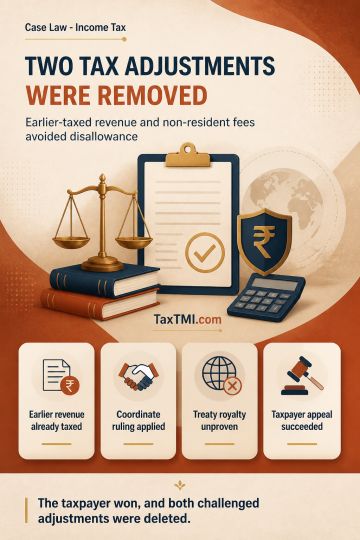
Section 153C satisfaction and seized electronic records sustained unexplained-investment addition, subject to proportionate ownership-share verificati...
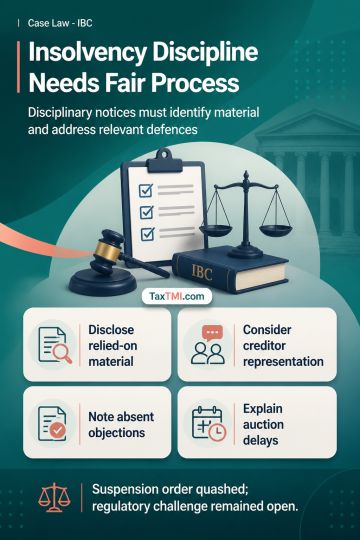
Natural justice in insolvency-professional discipline requires disclosed material; notices based on extraneous material and ignored defences are vitia...
VAT dues under Section 48 of the GVAT Act were treated as secured by a statutory first charge, but CST dues were not, because the CST Act created no corresponding charge and Section 9(2) did not import one. The Tribunal held that a statutory charge need not be registered to exist, and that the claimant's omission in the claim form did not defeat it where contemporaneous communications asserted the first charge. It also found no waiver or acquiescence, yet held that the security stood deemed relinquished under Regulation 21A because the creditor did not elect to realise it outside the liquidation estate. VAT dues therefore ranked under the secured-creditor distribution, while CST dues remained unsecured government dues.
VAT dues under Section 48 of the GVAT Act were treated as secured by a statutory first charge, but CST dues were not, because the CST Act created no corresponding charge and Section 9(2) did not import one. The Tribunal held that a statutory charge need not be registered to exist, and that the claimant's omission in the claim form did not defeat it where contemporaneous communications asserted the first charge. It also found no waiver or acquiescence, yet held that the security stood deemed relinquished under Regulation 21A because the creditor did not elect to realise it outside the liquidation estate. VAT dues therefore ranked under the secured-creditor distribution, while CST dues remained unsecured government dues.
Note: It is a system-generated summary and is for quick reference only.
 TaxTMI
  TaxTMI
 of 4817







 Join Channel