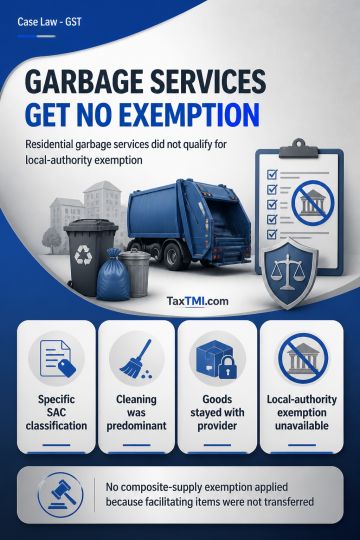
Residential waste collection classification under SAC 999423 defeats composite-supply exemption where facilitating goods are not transferred to the lo...
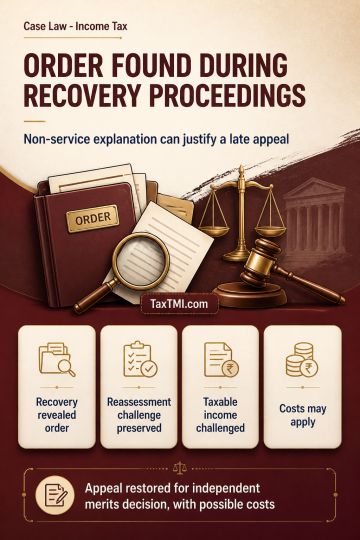
Condonation of delay permits statutory appeal restoration where inadequate service explanation prevented consideration of reassessment and taxable-inc...
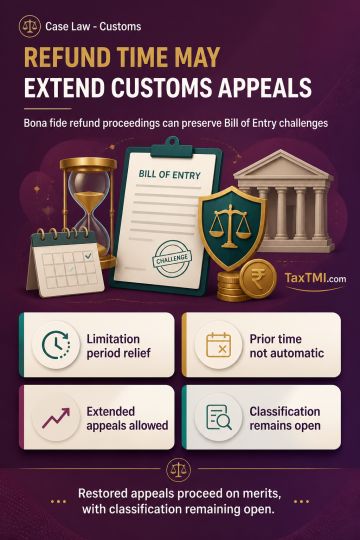
Limitation in customs appeals permits exclusion for bona fide refund proceedings, enabling restoration of Bill of Entry assessment challenges on merit...
VAT dues under Section 48 of the GVAT Act were treated as secured by a statutory first charge, but CST dues were not, because the CST Act created no corresponding charge and Section 9(2) did not import one. The Tribunal held that a statutory charge need not be registered to exist, and that the claimant's omission in the claim form did not defeat it where contemporaneous communications asserted the first charge. It also found no waiver or acquiescence, yet held that the security stood deemed relinquished under Regulation 21A because the creditor did not elect to realise it outside the liquidation estate. VAT dues therefore ranked under the secured-creditor distribution, while CST dues remained unsecured government dues.
VAT dues under Section 48 of the GVAT Act were treated as secured by a statutory first charge, but CST dues were not, because the CST Act created no corresponding charge and Section 9(2) did not import one. The Tribunal held that a statutory charge need not be registered to exist, and that the claimant's omission in the claim form did not defeat it where contemporaneous communications asserted the first charge. It also found no waiver or acquiescence, yet held that the security stood deemed relinquished under Regulation 21A because the creditor did not elect to realise it outside the liquidation estate. VAT dues therefore ranked under the secured-creditor distribution, while CST dues remained unsecured government dues.
Note: It is a system-generated summary and is for quick reference only.
 TaxTMI
  TaxTMI
 of 4816





 Join Channel