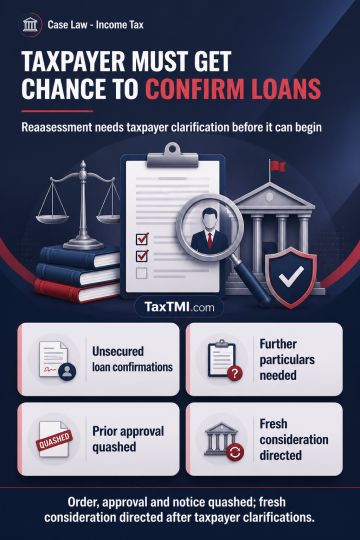
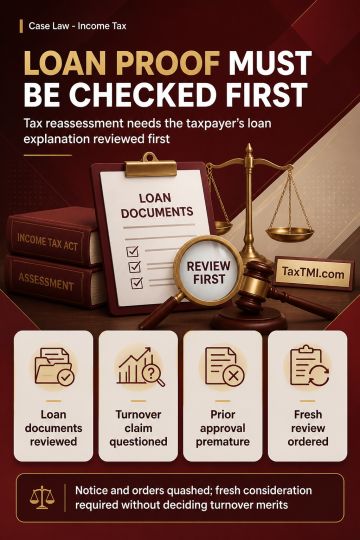
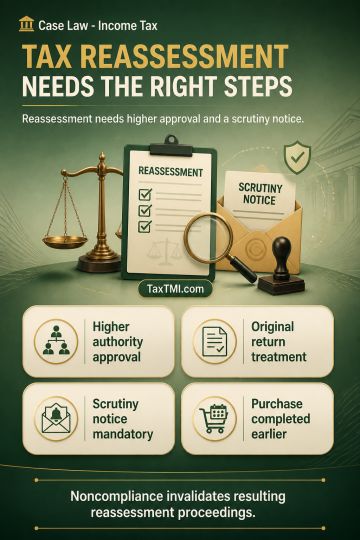
Opportunity to furnish unsecured-loan confirmations is required before reassessment initiation; proceedings require fresh consideration after taxpayer...
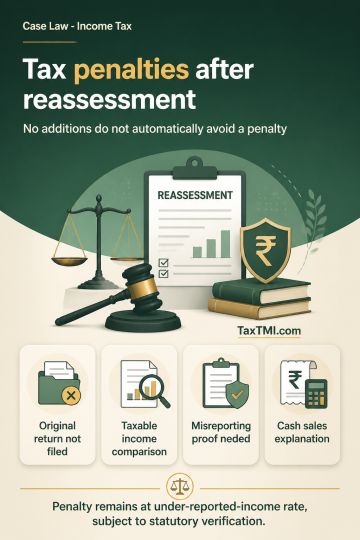
Under-reporting on a first reassessment return attracts penalty, while enhanced misreporting penalty requires proof of a statutory misreporting catego...
State tax dues in liquidation do not rank as secured debt unless a valid security interest exists under the Insolvency and Bankruptcy Code. Applying the waterfall mechanism in Section 53, the Tribunal held that the Excise and Taxation Department could not be treated at par with secured financial creditors, and that the Haryana Value Added Tax Act could not override the Code by virtue of Section 238. The liquidator's withholding of sale proceeds and insistence on an indemnity for a possible future change in law were held unsustainable. The withheld proceeds were directed to be distributed to the secured financial creditor that had relinquished its security interest.
State tax dues in liquidation do not rank as secured debt unless a valid security interest exists under the Insolvency and Bankruptcy Code. Applying the waterfall mechanism in Section 53, the Tribunal held that the Excise and Taxation Department could not be treated at par with secured financial creditors, and that the Haryana Value Added Tax Act could not override the Code by virtue of Section 238. The liquidator's withholding of sale proceeds and insistence on an indemnity for a possible future change in law were held unsustainable. The withheld proceeds were directed to be distributed to the secured financial creditor that had relinquished its security interest.
Note: It is a system-generated summary and is for quick reference only.
 TaxTMI
  TaxTMI
 of 4915