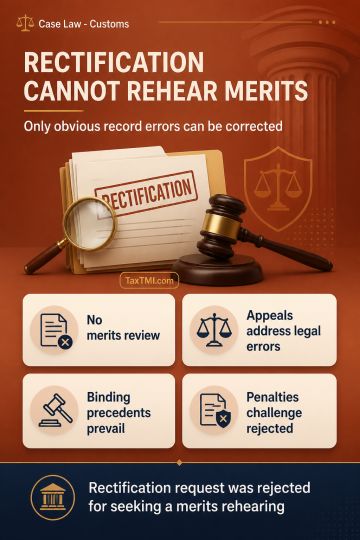
Rectification of mistake remains limited to self-evident record errors, preventing merits review through miscellaneous applications and preserving fin...
Tender creditworthiness conditions may extend to de facto Promoter Directors, with post-participation challenges generally barred absent arbitrariness...
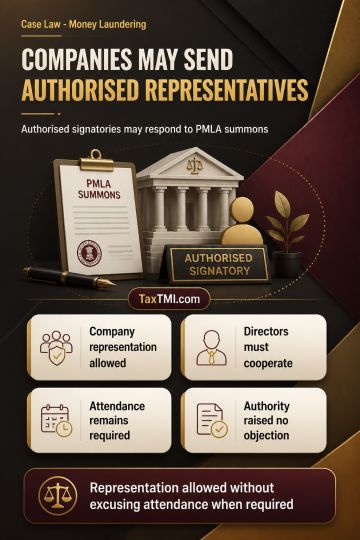
Corporate representation in PMLA summons proceedings permitted through an authorised signatory, subject to directors' continuing cooperation and atten...
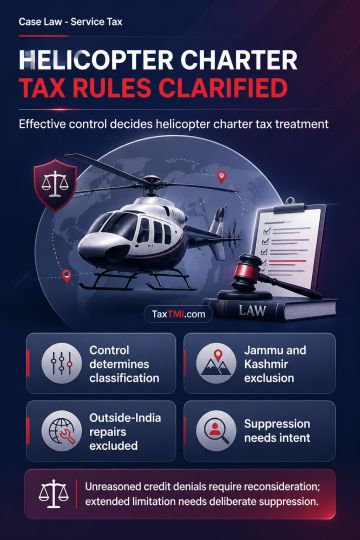
Helicopter charter classification requires effective control analysis, while territorial performance, reasoned credit orders and wilful suppression de...
An operative bankruptcy order triggered the statutory travel restriction under the Insolvency and Bankruptcy Code, so the bankrupt could not travel abroad without permission of the Adjudicating Authority. The Court distinguished this consequence from impounding under the Passports Act, holding that the Bankruptcy Trustee's communications merely conveyed the existing legal restriction and did not amount to unlawful passport seizure. It also held that the Trustee acted within statutory duties in securing compliance with the bankruptcy process, and that the petitioner had an efficacious remedy before the NCLT, including seeking permission to travel. The writ petition was dismissed as an attempt to bypass the statutory mechanism.
An operative bankruptcy order triggered the statutory travel restriction under the Insolvency and Bankruptcy Code, so the bankrupt could not travel abroad without permission of the Adjudicating Authority. The Court distinguished this consequence from impounding under the Passports Act, holding that the Bankruptcy Trustee's communications merely conveyed the existing legal restriction and did not amount to unlawful passport seizure. It also held that the Trustee acted within statutory duties in securing compliance with the bankruptcy process, and that the petitioner had an efficacious remedy before the NCLT, including seeking permission to travel. The writ petition was dismissed as an attempt to bypass the statutory mechanism.
Note: It is a system-generated summary and is for quick reference only.
 TaxTMI
  TaxTMI
 of 4809








 Join Channel


