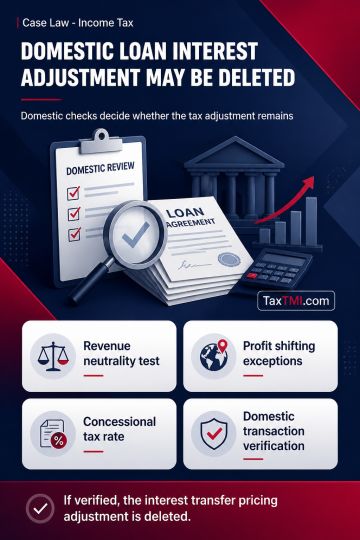
Revenue neutrality in domestic related-party loans can require deletion of interest transfer pricing adjustments after domestic-transaction verificati...
Pre-enactment land-sale agreements escape stamp-duty value substitution where substantial banking-channel consideration was received before Section 43...
An operative bankruptcy order triggered the statutory travel restriction under the Insolvency and Bankruptcy Code, so the bankrupt could not travel abroad without permission of the Adjudicating Authority. The Court distinguished this consequence from impounding under the Passports Act, holding that the Bankruptcy Trustee's communications merely conveyed the existing legal restriction and did not amount to unlawful passport seizure. It also held that the Trustee acted within statutory duties in securing compliance with the bankruptcy process, and that the petitioner had an efficacious remedy before the NCLT, including seeking permission to travel. The writ petition was dismissed as an attempt to bypass the statutory mechanism.
An operative bankruptcy order triggered the statutory travel restriction under the Insolvency and Bankruptcy Code, so the bankrupt could not travel abroad without permission of the Adjudicating Authority. The Court distinguished this consequence from impounding under the Passports Act, holding that the Bankruptcy Trustee's communications merely conveyed the existing legal restriction and did not amount to unlawful passport seizure. It also held that the Trustee acted within statutory duties in securing compliance with the bankruptcy process, and that the petitioner had an efficacious remedy before the NCLT, including seeking permission to travel. The writ petition was dismissed as an attempt to bypass the statutory mechanism.
Note: It is a system-generated summary and is for quick reference only.
 TaxTMI
  TaxTMI
 of 4814


















 Join Channel


