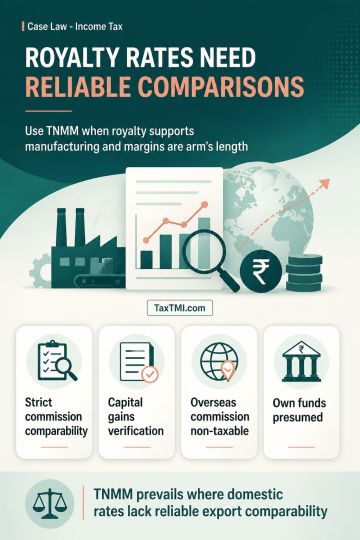
Working-capital adjustment determines whether software-services transfer-pricing margins fall within the statutory tolerance range, eliminating any ad...
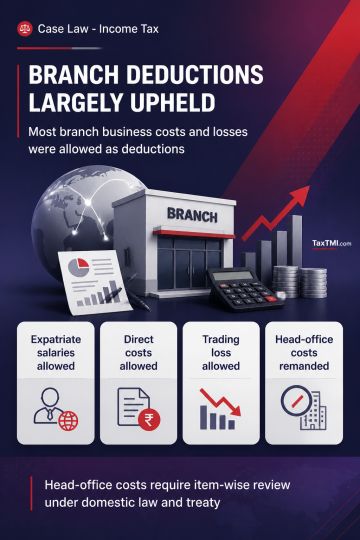
Permanent establishment deductions upheld for expatriate salaries, direct costs and trading losses, while head-office costs require fresh classificati...
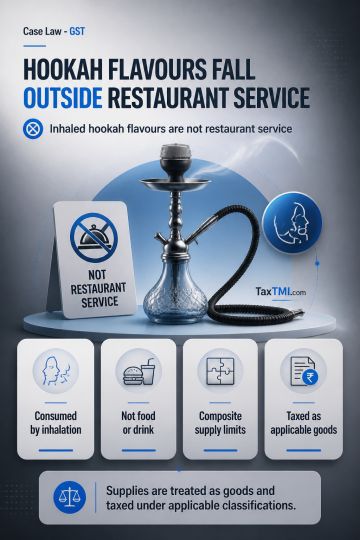
Data transmission equipment classification under CTSH 8517 62 remains distinct from residual classification, with exemption evidence requiring scrutin...
Provisional attachment under money-laundering law was examined on the quantification of proceeds of crime, tracing of tainted funds, and the sufficiency of reasons to believe. The Tribunal upheld the computation, finding that the attachment order explained the basis of recovery and that the appellant's requested deductions were unsupported or already accounted for in the quantified amount. It also accepted that the statutory reverse burden required the person concerned to explain the source of property after notice under Section 8(1), and rejected the challenge under Section 5(1) because the reasons for attachment were reflected in the order and supporting material. The order was treated as speaking, and the appeal was dismissed.
Provisional attachment under money-laundering law was examined on the quantification of proceeds of crime, tracing of tainted funds, and the sufficiency of reasons to believe. The Tribunal upheld the computation, finding that the attachment order explained the basis of recovery and that the appellant's requested deductions were unsupported or already accounted for in the quantified amount. It also accepted that the statutory reverse burden required the person concerned to explain the source of property after notice under Section 8(1), and rejected the challenge under Section 5(1) because the reasons for attachment were reflected in the order and supporting material. The order was treated as speaking, and the appeal was dismissed.
Note: It is a system-generated summary and is for quick reference only.
 TaxTMI
  TaxTMI
 of 4814

















 Join Channel