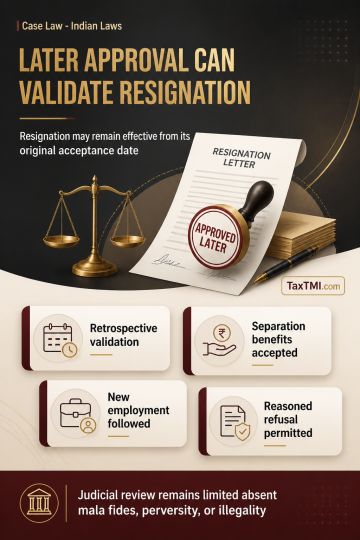
Ratification of resignation acceptance validates separation retrospectively, while withdrawal may be refused through reasoned administrative discretio...
Nature-dependent electricity contracts receive new Ind AS accounting, hedge designation, transition and financial-statement disclosure requirements fr...
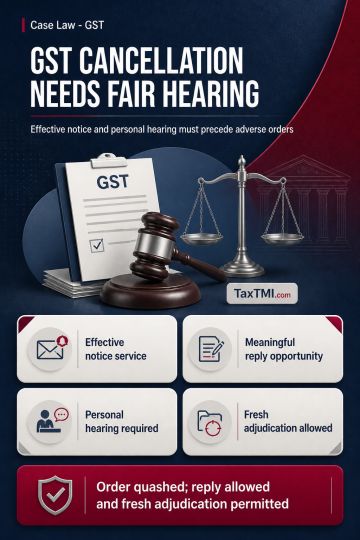
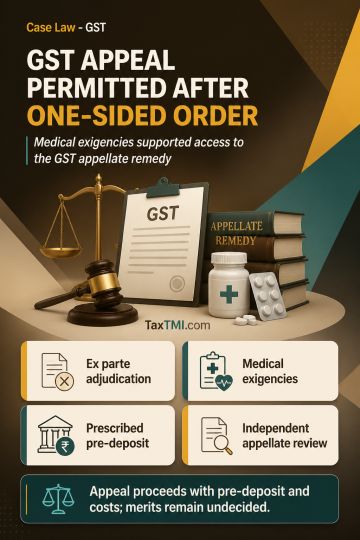
Alternative GST remedy permitted protective writ intervention for ex parte adjudication, preserving independent appellate review of input tax credit d...
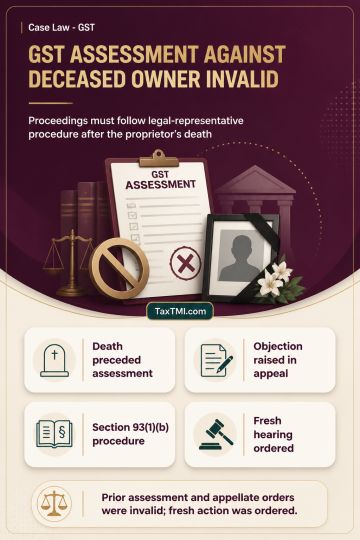
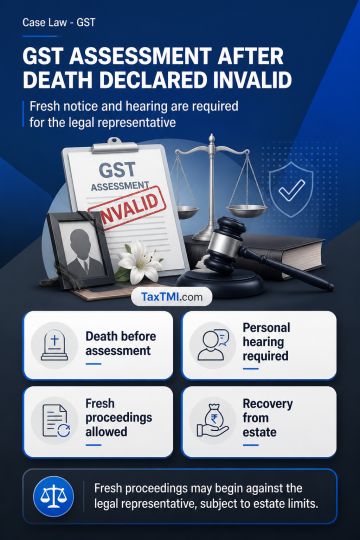
Assessment against deceased sole proprietor requires proceedings against the legal representative, rendering prior assessment and appellate orders inv...
Page of 4814
Press 'Enter' after typing page number.
421 to 440 of 96262 Results
❮
❯
❯❯
0 / 200
Expand Note
Add to Folder
No Folders have been created
+
Are you sure you want to delete "My most important" ?
Sections 118 and 139 of the Negotiable Instruments Act created a statutory presumption in favour of the complainant where the accused's cheques were signed, dishonoured for insufficiency of funds, and the notice referred to an acknowledged liability. The accused failed to rebut that presumption by proving that Yahoo Limited had taken over the entire liability or that the complainant had accepted performance from that third party; the cheque-on-security plea also did not defeat liability once the debt matured. Pendency of civil proceedings did not bar prosecution, and the High Court declined to disturb concurrent factual findings in revision absent perversity. Conviction under Section 138 was therefore sustained, but the appellate court could not suo motu enhance the default sentence in the accused's appeal, so that enhancement was set aside and the trial sentence restored.
Sections 118 and 139 of the Negotiable Instruments Act created a statutory presumption in favour of the complainant where the accused's cheques were signed, dishonoured for insufficiency of funds, and the notice referred to an acknowledged liability. The accused failed to rebut that presumption by proving that Yahoo Limited had taken over the entire liability or that the complainant had accepted performance from that third party; the cheque-on-security plea also did not defeat liability once the debt matured. Pendency of civil proceedings did not bar prosecution, and the High Court declined to disturb concurrent factual findings in revision absent perversity. Conviction under Section 138 was therefore sustained, but the appellate court could not suo motu enhance the default sentence in the accused's appeal, so that enhancement was set aside and the trial sentence restored.
Note: It is a system-generated summary and is for quick reference only.
 TaxTMI
  TaxTMI
 of 4814










 Join Channel